
One company book
Channels vs P&L
Channels Are Not Separate Ledgers
Storefronts and marketplaces are how you sell. Unless each brand is its own legal entity, you still close one company P&L, with channel detail you can inspect.
Shopify and Amazon take the order. The books still have to explain the payout: sales, refunds, fees, and cash in one company ledger you can close.
14-day free trial · no credit card. Confirm connectors for your stack.
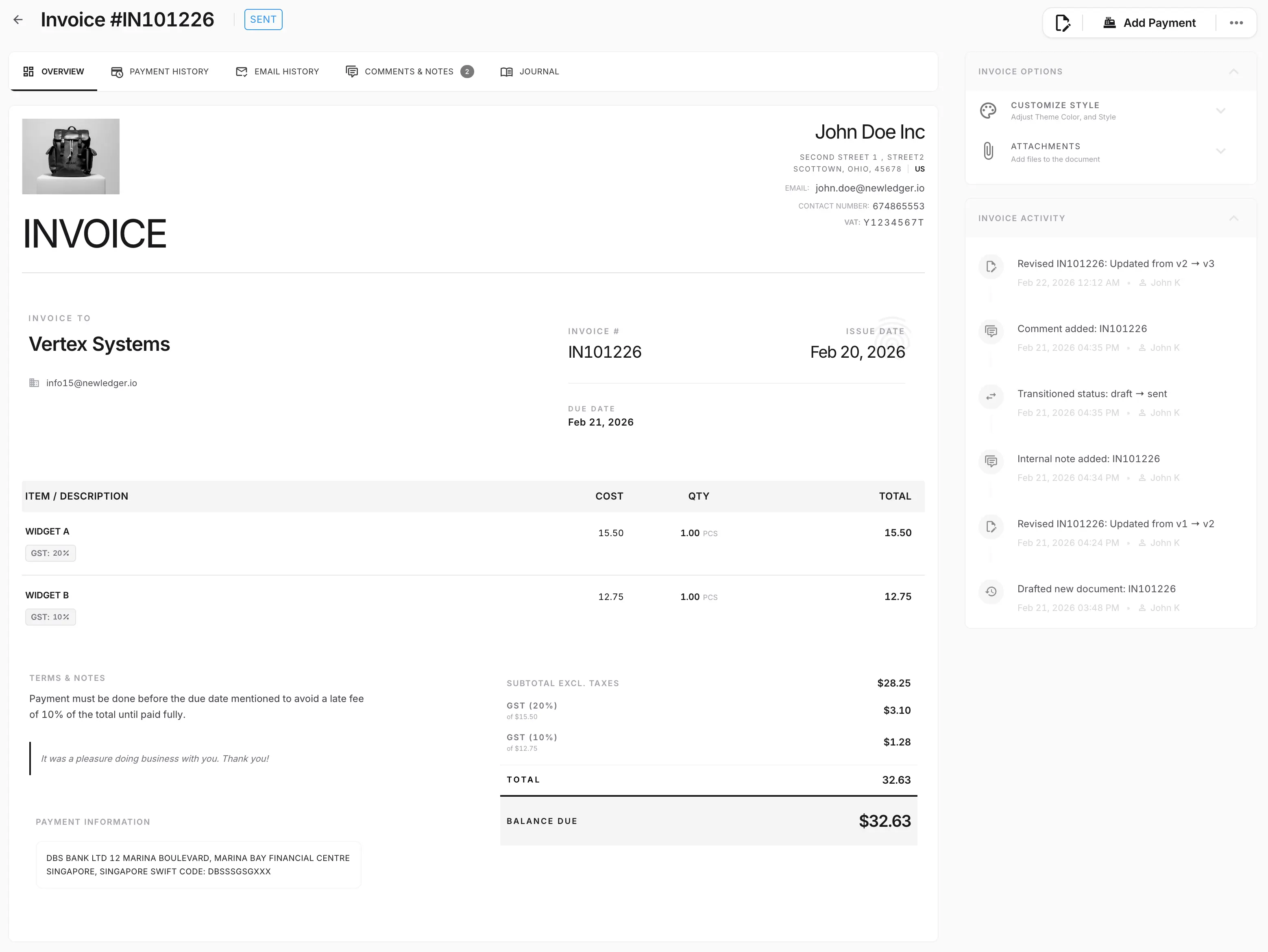
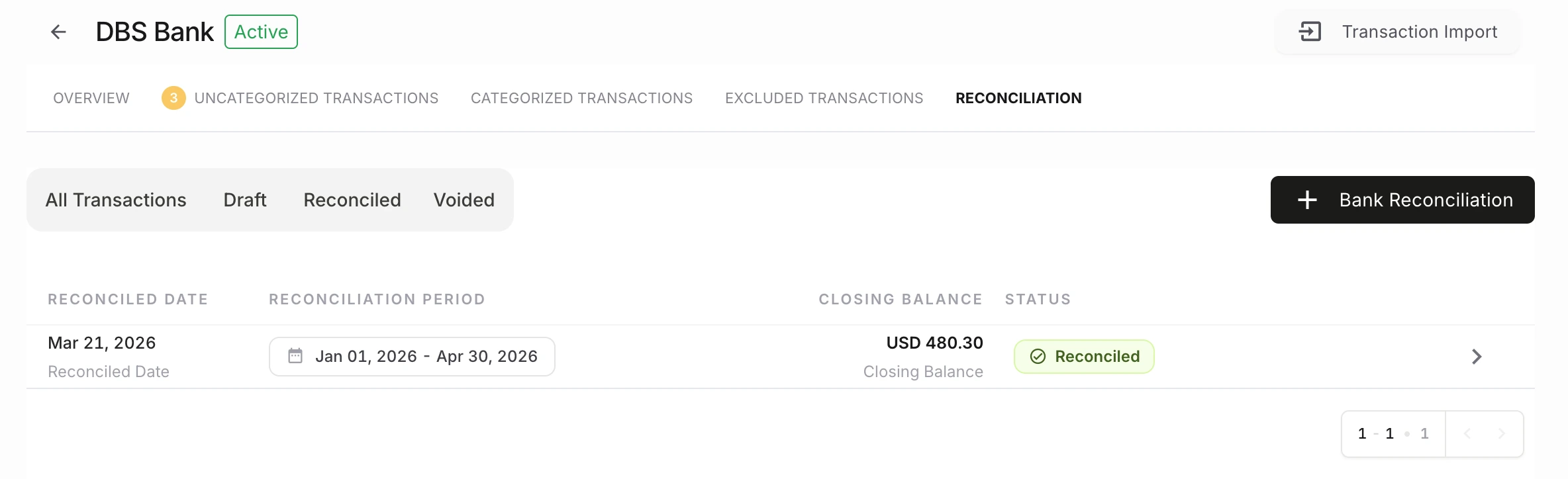
A marketplace is a sales channel, not a second set of books. Accounting software for ecommerce has to land orders, refunds, and processor costs so month-end is a review of the ledger — not a reconstruction from payout CSVs.
Channels vs P&L
Storefronts and marketplaces are how you sell. Unless each brand is its own legal entity, you still close one company P&L, with channel detail you can inspect.
Payouts vs revenue
Platform deposits arrive after fees, refunds, and holds. Revenue, contra-revenue, and processor costs still need to post so cash and the P&L can be reconciled.
Inventory stays adjacent
Post cost of goods to the ledger while warehouse, SKU, and tax-engine products continue to manage their specialist workflows.
The storefront keeps the order. These are the records finance actually reviews: payouts, invoices, credits, and the P&L those postings produce.
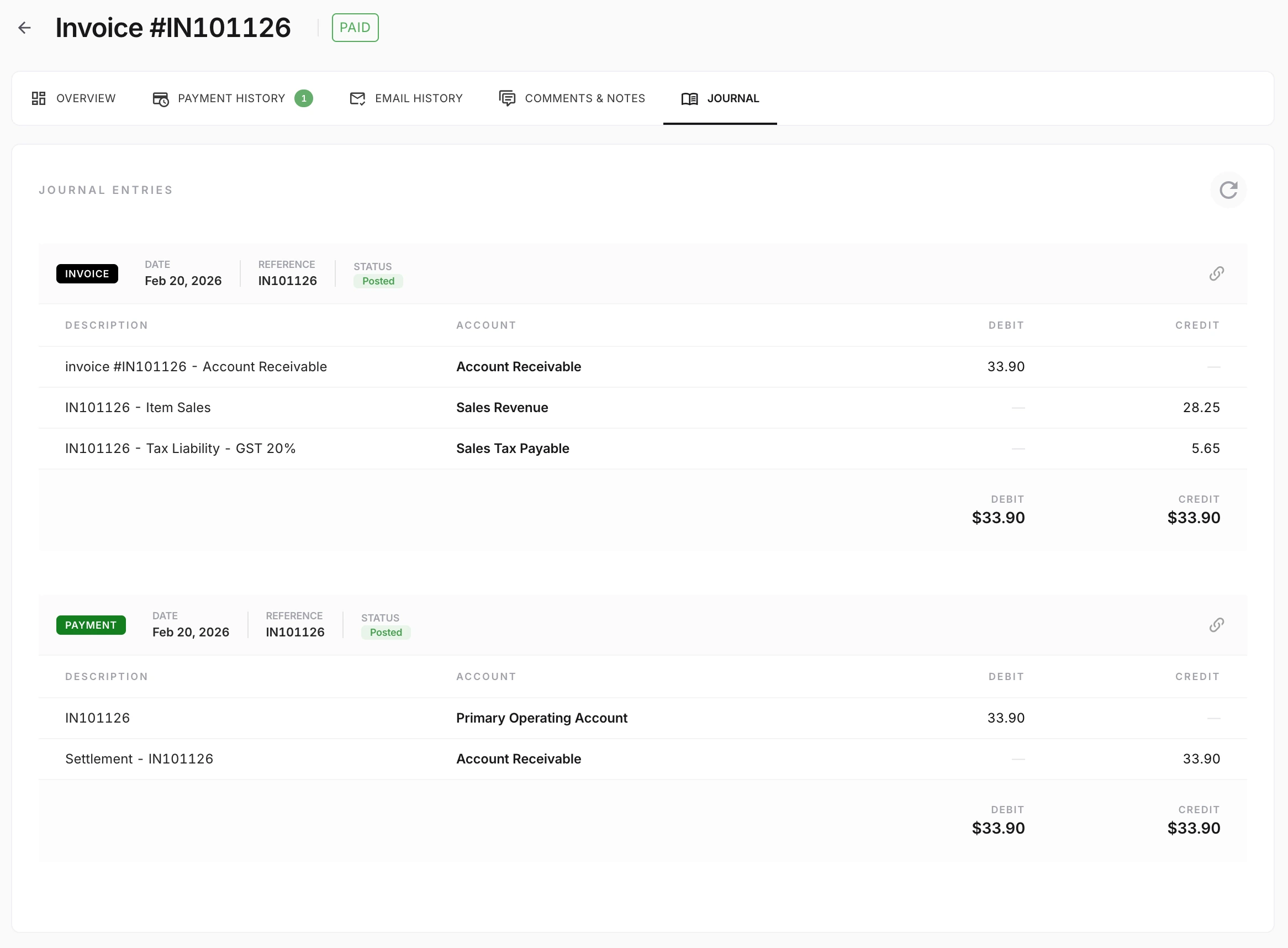
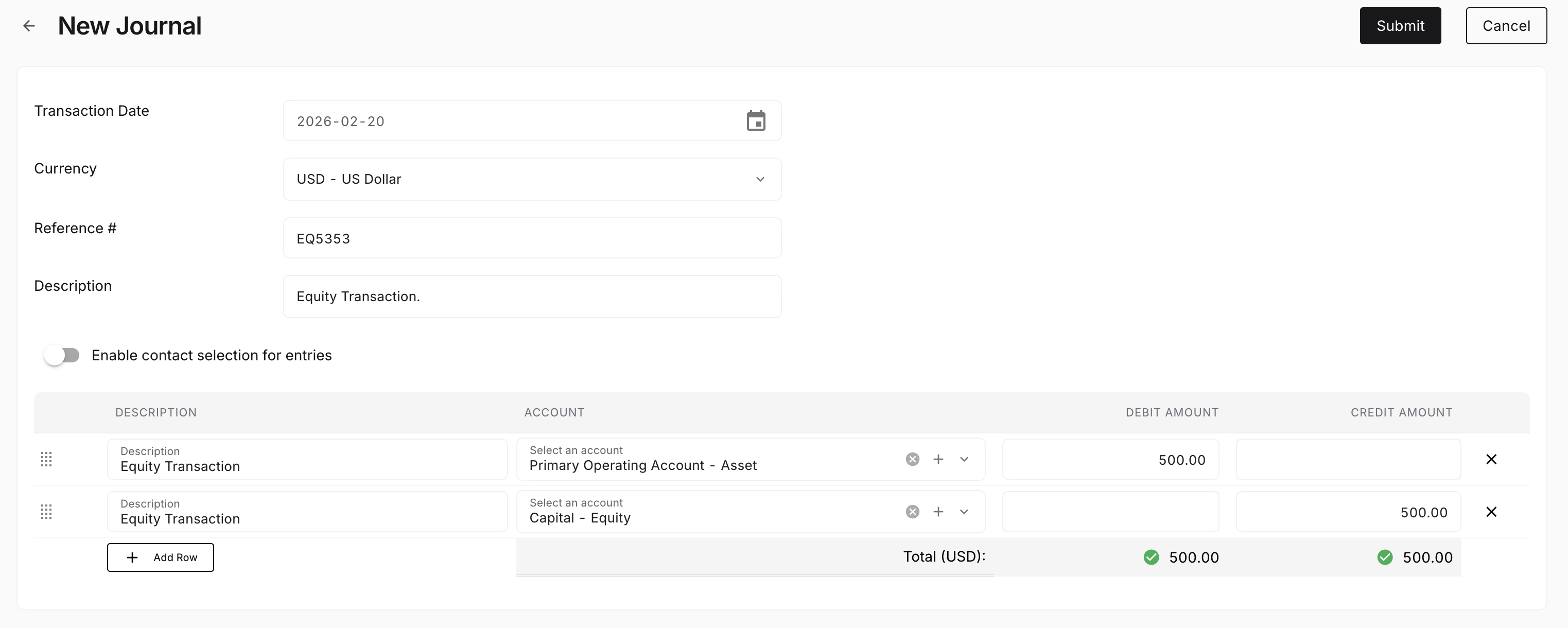
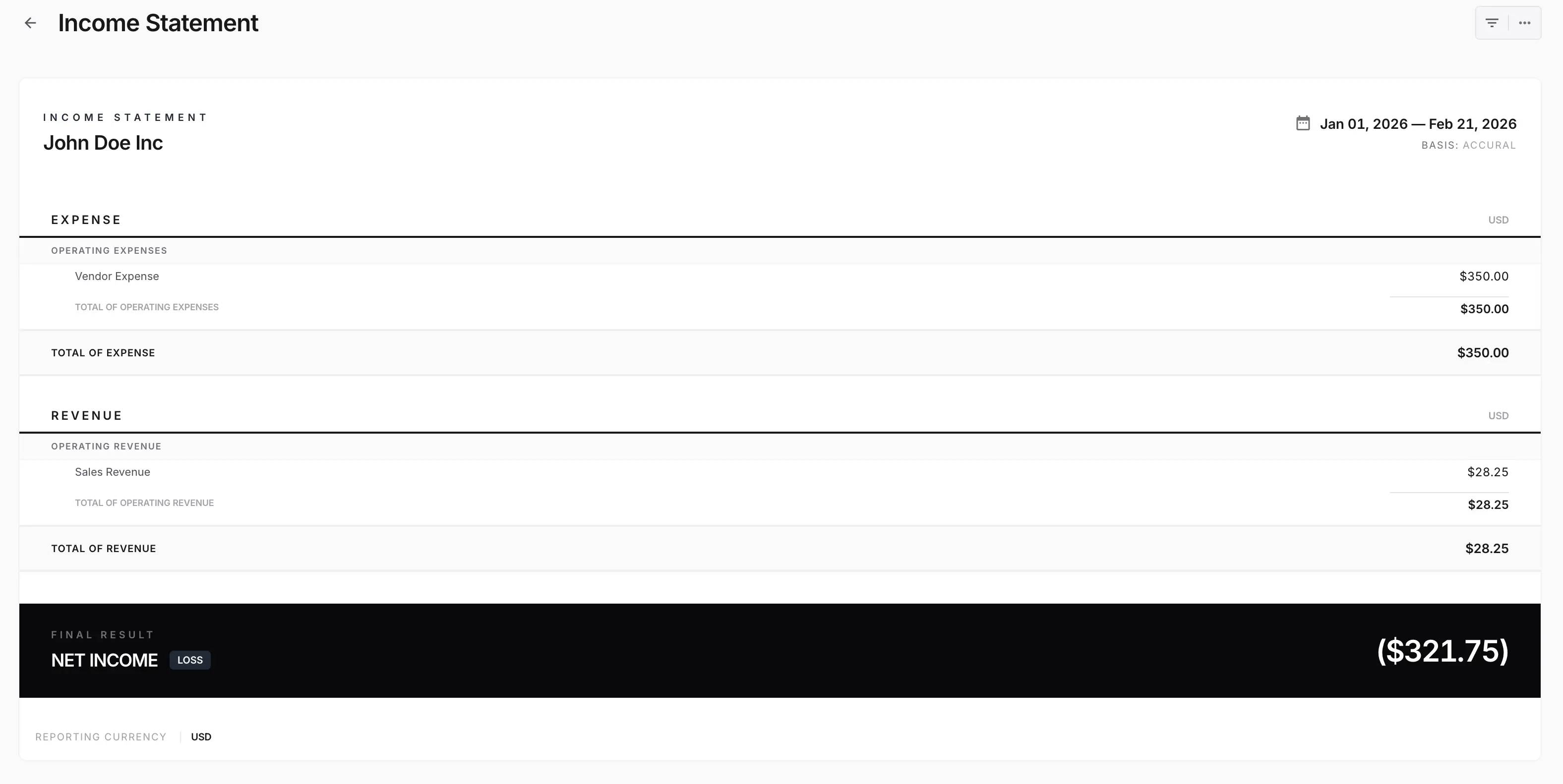
Ecommerce close is payout math plus judgement. The ledger has to hold the trail; it does not replace the storefront.
Sales, refunds, and fees need to land on accounts you can explain. Connect where a connector exists, then confirm coverage for your stack.
Match the deposit to posted sales and costs. Exceptions stay on the books until someone clears them.
Close from the same invoices, journals, and matches you just reviewed — not from a parallel spreadsheet of channel P&Ls.
The payout file is cash. Refunds and chargebacks still have to post as their own records so the deposit can be explained.
What the payout file shows
Platform cash arrives after refunds, chargebacks, fees, and holds. The bank line is not revenue, and it is not a complete picture of the week’s channel activity.
What still has to post
Gross sales post as income. Refunds and chargebacks post as contra-revenue or adjustments — often as credit notes. Processor fees post as costs. Then the deposit reconciles to those records, not to a marketplace CSV.
The accounting work is the same as any other company. The operating model is channel sales instead of a vertical ecommerce suite.
Bill wholesale, B2B, or adjustments from the same invoicing tools used elsewhere in NewLedger.
Online invoicingMatch deposits and fees to the records you already posted, then clear exceptions before close.
Bank reconciliationP&L, balance sheet, and cash flow come from the ledger just reviewed — not a storefront export.
Financial reportingRecord foreign-currency activity and report in the company’s home currency when the business needs it.
Multi-currency accountingRoute material refunds, journals, and bills to an owner so close is not a surprise.
Approvals and audit controlsUse available commerce and payments connectors, then confirm coverage for your stack.
Accounting software integrationsNewLedger keeps the books. Selling, stock, tax filing, and payouts belong to the tools that already do that work.
Invoices, bills, journals, reconciliation, review, and reports for the company that sells online.
This page.
Shopify, Amazon, WooCommerce, and similar tools take the order and the customer.
Connect where a connector exists; confirm for your stack.
Stripe, PayPal, and platform payout files move cash; NewLedger keeps the related revenue and fee postings.
Reconcile the deposit to the books.
Warehouse, SKU cost, nexus, and filing products stay next to accounting.
Post the journals the books need; file tax in the tax product.
Use this page when the business sells through online channels and still needs closable company books.
For accounting firms managing client books, multi-entity finance teams, or software platforms requiring embedded accounting, explore the corresponding NewLedger or Paprel route.
Start at accounting firms, finance teams, growing businesses, or Paprel.
You sell through one or more online channels and still need closable company books
Payouts, refunds, and fees have to be reviewed against the ledger
Storefront, inventory, and tax tools can stay adjacent
You want invoices, recon, and reports in one accounting system
Create a workspace and keep invoices, bills, reconciliations, and reports on the same books. Confirm connectors, permissions, and rollout details for your stack.