
Singapore Pte LtdBooks current
Multi-entity accounting softwareAccounting Software
Accounting Software
for Finance Teams
The company runs its own subsidiary books from one workspace—without collapsing those entities into a single ledger.
Separate entity booksGroup visibility
US Operations IncReview needed
UK Services LtdBooks current
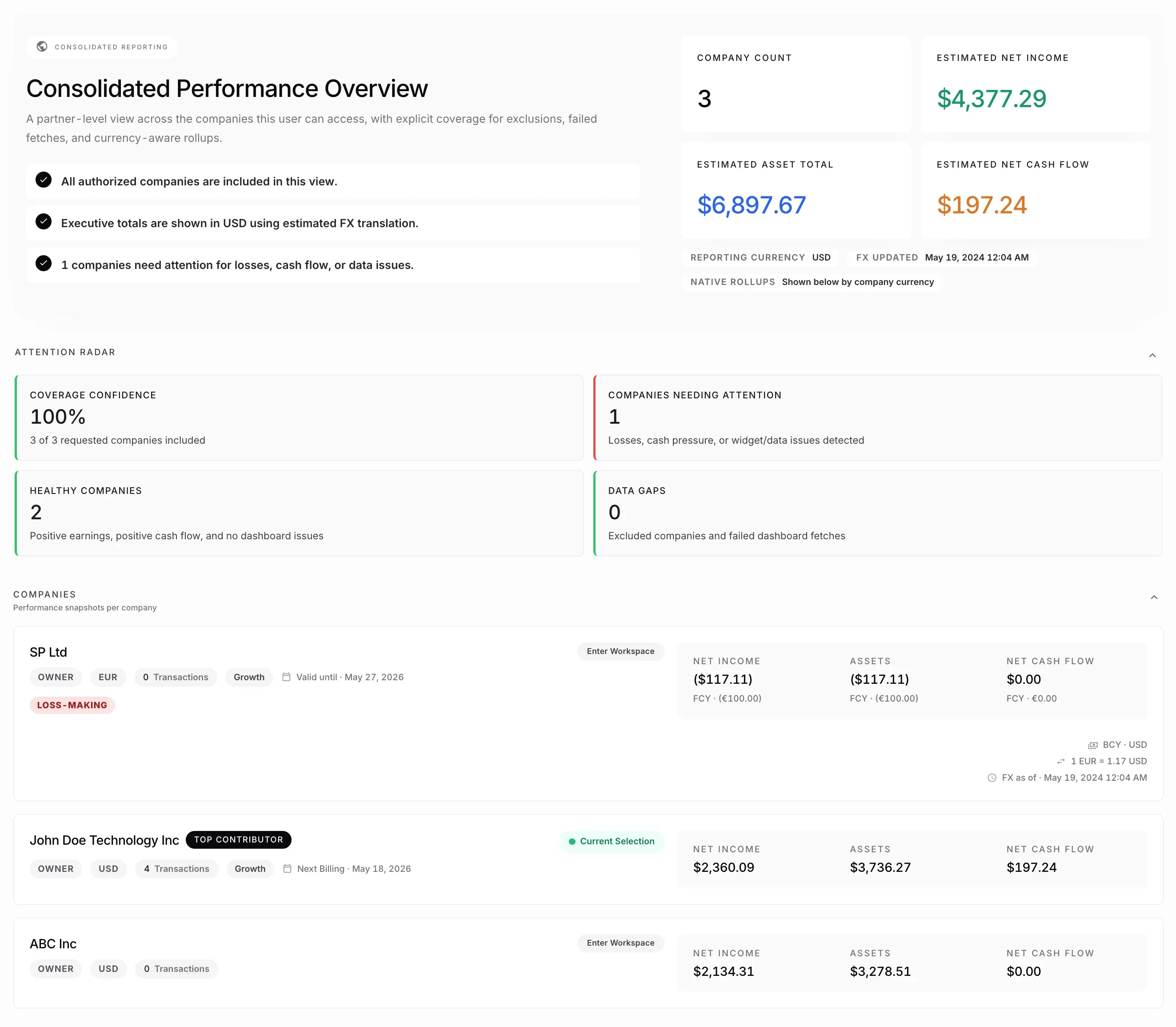
Consolidated visibility without combining the ledgers
The category in one sentence Your group.
Your group.
Separate entity books.
An in-house finance team is not a practice. The company operates its own subsidiaries. NewLedger is for that operator: entity-level books you can close, plus a group view of what is stuck—without treating the group as one ledger.
In-house
Company operator
These are the company’s own books
Controllers and entity accountants work the group’s organisations. This is not a practice running other people’s ledgers.
Separate ledgers
Entity boundary
Each subsidiary stays its own ledger
Legal entities keep their own books, currency, period, and access. A group view does not merge those records into one chart.
Per entity
Group close
See which entity is blocking month-end
Coordinate reviews and locks across subsidiaries from one workspace, then close the entity that is actually ready.
The operating model
Group finance without a combined set of books
Staff can move between subsidiaries the way a controller already thinks about the group. Recording, review, and period close still happen inside the legal entity that owns the transaction.
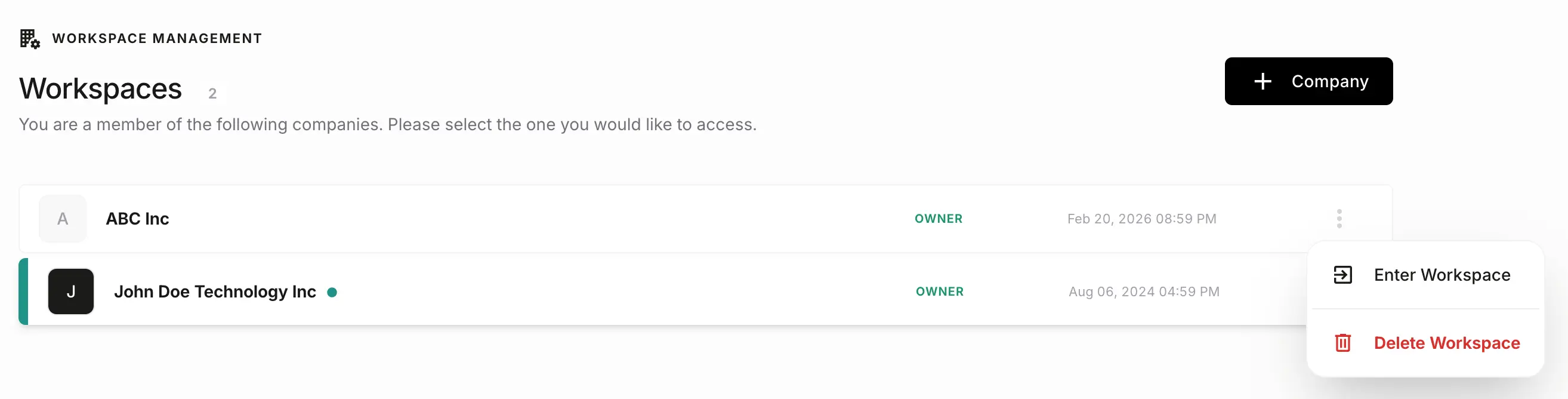
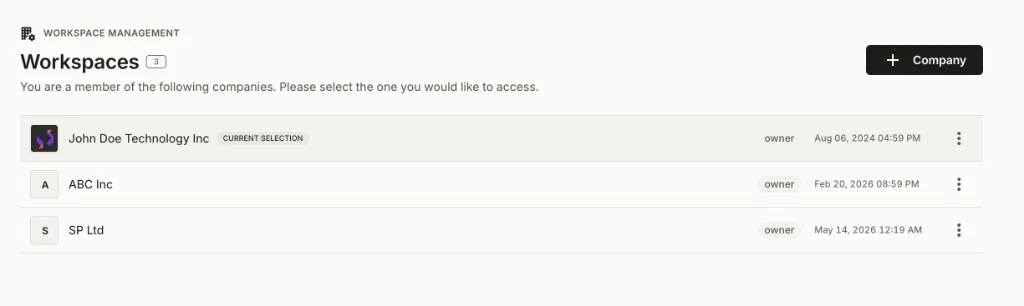
How the work moves
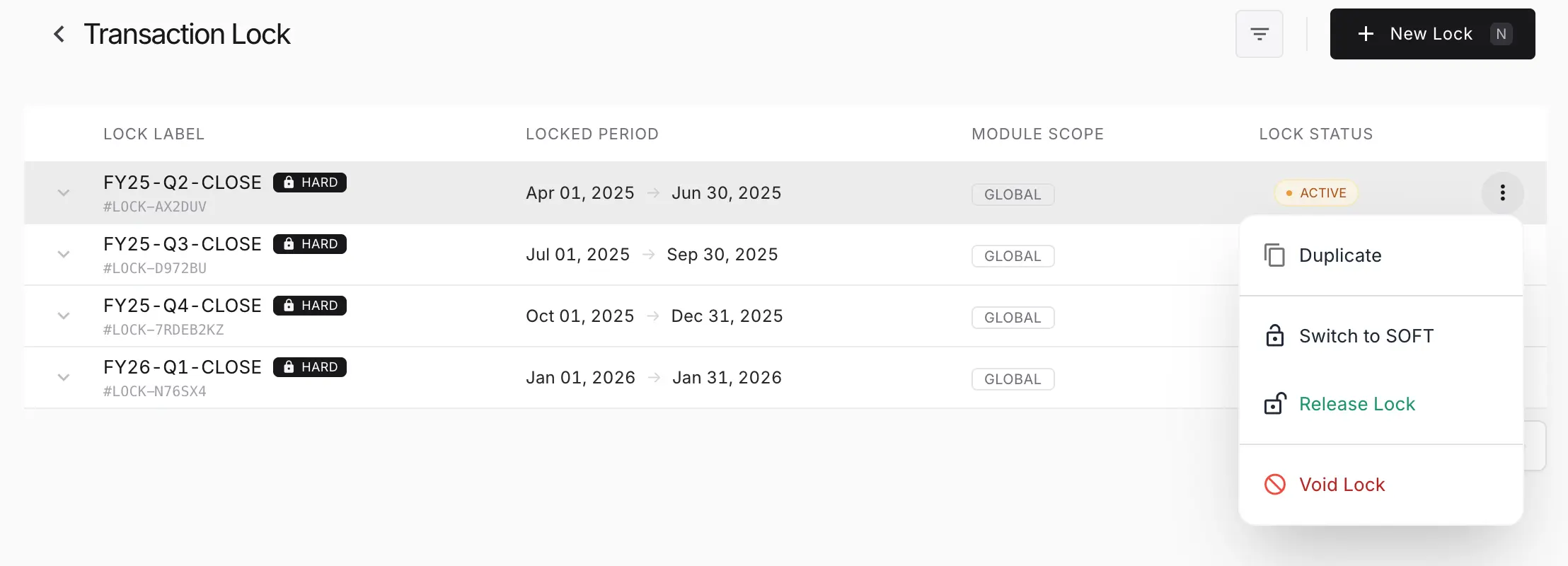
Month-end is several entity closes, then a group view
The group close is only as good as the entity closes underneath it. Standardise the path so status is comparable. Do not merge the books to make that possible.
- 01
Keep the subsidiary’s books
Invoices, bills, journals, and reconciliations post in that entity’s ledger, including multi-currency where the subsidiary needs it.
- 02
Review what the group close is waiting on
Route material items to the owner inside that entity. The group close is only as good as the reviews underneath it.
- 03
Lock the entity, then report from those records
Close the period for the subsidiary that is ready. Entity and group reports should come from the books just reviewed—not from a parallel export.
Feature to outcome
What changes for controllers and entity accountants
See what the controls change for controllers and entity accountants across the company workflow.
Separate subsidiary ledgers
Entity accountants work inside one organisation at a time. Switching subsidiaries does not mix charts, periods, or permissions.
Multi-entity accounting softwareGroup attention without a merged book
Controllers can see which entities are ready, blocked, or waiting on review without collapsing subsidiaries into one dataset.
Month-end close softwareAccess for entity and group roles
A reviewer on one subsidiary is not automatically inside another. Group controllers get a view; entity staff keep a scoped workspace.
Team permissionsPeriod lock per entity
Lock the subsidiary that has cleared review. A close on one legal entity does not freeze another entity’s books.
Month-end close softwareEntity reports, then a group view
Produce statements from the entity ledger just approved. Group reporting sits on those separate books—it is not a substitute for statutory consolidation software.
Financial reportingReviews stay on the work
Journals, bills, and sensitive changes keep an owner, decision, and history inside the entity whose close depends on them.
Approvals and audit controlsAdjacent categories
How this category differs from adjacent software
These products can appear similar, but they support different operating models. The key distinction is who operates the books and whether subsidiaries remain separate.
Adjacent
SMB accounting software
One company logs in to keep one set of books.
Designed for one company rather than separate subsidiary books and a coordinated group close.
Accounting softwareAdjacent
Consolidation / CPM tools
Produce group numbers from entity packs after the books are closed.
Reporting layer. Not where daily entity books, reviews, and period locks live.
This category
Multi-entity accounting software
An in-house team operates several subsidiary ledgers from one workspace.
This is NewLedger’s finance-team category.
Adjacent
Multi-client firm software
A practice operates many client ledgers from one workspace.
Other people’s books. That category lives with accounting firms.
Accounting software for firmsA practical fit
The company operates its own entity books
NewLedger fits when an in-house team runs separate subsidiary ledgers, reviews, and month-end from one workspace—and will not collapse those entities into a single book.
Plan a finance workspaceNot the primary fit for a single company with one ledger, a firm running client books, or a headless ledger inside another product. Start at accounting firms or Paprel.
The company keeps books for several legal entities or subsidiaries
An in-house team owns close, review, and reporting
Each entity needs its own ledger, period, and access
Controllers need a group view of blockers without merging books
Explore the category
Explore accounting software for finance teams
Start with the operating model, then explore multi-entity workflows and the monthly close rhythm.
Operating model01
Multi-entity accounting software
How an in-house team oversees subsidiary books from one workspace while every legal entity keeps a distinct ledger.
Read the entity modelGroup close02
Month-end close software
How month-end works when it is several entity closes—preparation, review, lock, then group reporting from those books.
Read the close pathFAQ
Questions finance teams ask before changing systems
What is accounting software for finance teams?
It is multi-entity accounting software for an in-house team: separate subsidiary books, scoped access, reviews, entity-level month-end, and reporting from those records. The company is the operator. Each legal entity still has its own ledger.
How is this different from accounting software for firms?
Finance teams keep the company’s own books across subsidiaries. Firms keep other people’s books. The controls can look similar; the operator and the boundary are different. Practices should start at accounting software for firms.
Does one workspace mean subsidiaries are combined?
No. Staff can navigate and oversee work across entities while each organisation keeps separate books, permissions, periods, and reports. Group visibility is not a merged ledger.
Is this statutory consolidation software?
No. NewLedger produces entity reports from the books just reviewed and can support a group view of those records. Statutory consolidation, eliminations policy, and pack-to-group reporting should be confirmed for your organisation. NewLedger should not be evaluated as a statutory consolidation suite.
Is this the same as the multi-entity accounting feature page?
No. The feature page explains the product control. This hub is the commercial category: software for an in-house team running group books, reviews, and month-end from one workspace.
Can a group migrate entities in stages?
Yes. Start with a selected set of subsidiaries, validate opening balances, permissions, and daily work, then expand. The rest of the group can stay on the current process until that check is done.
Does NewLedger close the group without reviewers?
No. Automation can support routine work, including rules, integrations, API access, and MCP-based workflows inside the product. Accountable people retain review and approval, with activity history around those actions.
Product information reviewed 1 September 2026. Confirm connector availability and rollout requirements for your organisation.
Designed for a phased move
Start with a selected set of subsidiaries
Validate opening balances, permissions, and daily work on a first entity group. Expand only after controllers can close those books without a side tracker.