Save 50% on your first bill

For retail & hospitality

Accounting Software
for Retail and Hospitality

The register takes the sale. NewLedger is the reviewed financial layer across stores or venues — sales summaries, supplier bills, deposits, expenses, and location reporting on books finance can close.

14-day free trial · no credit card. Confirm connectors for your stack.

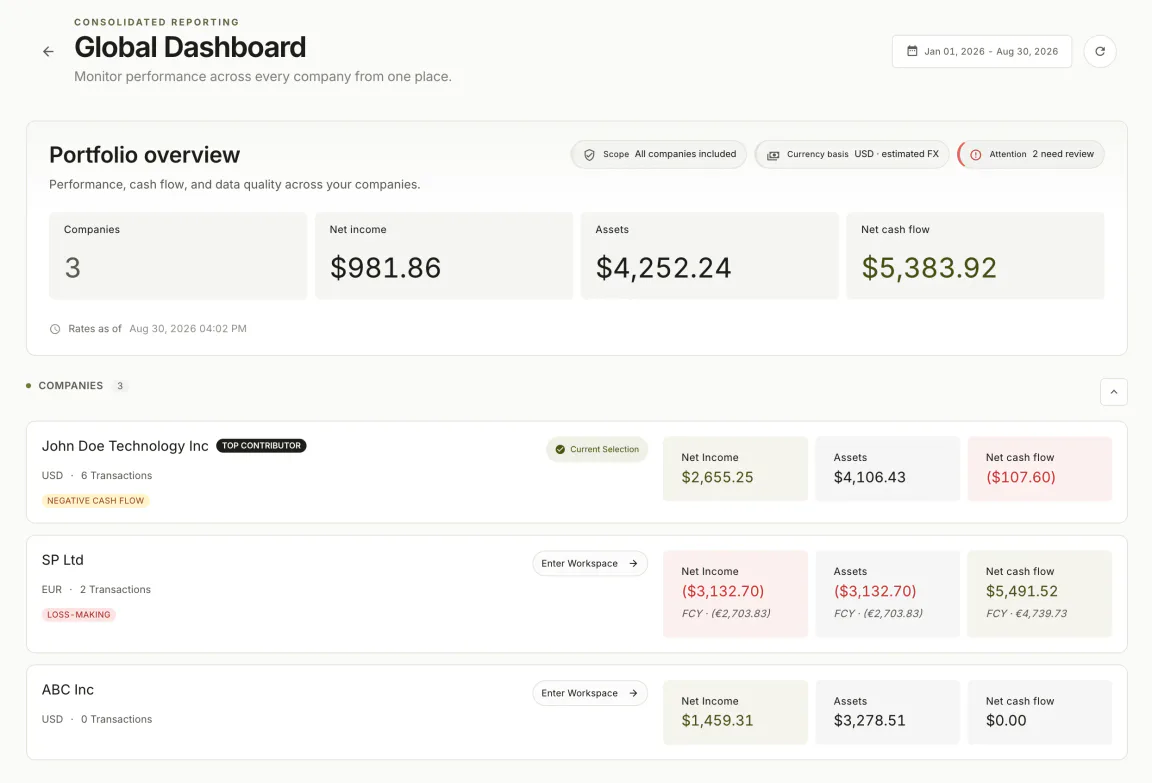
Dashboard
NewLedger global dashboard showing performance across company books
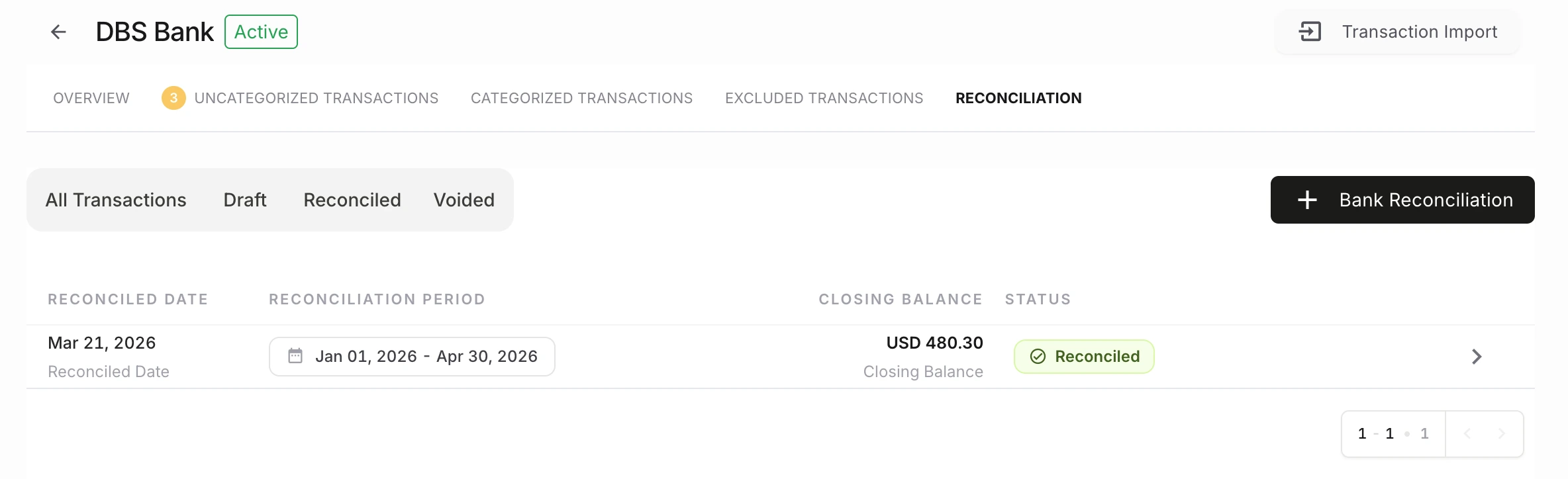
Reconciliation
NewLedger bank reconciliation for card batches and cash deposits
The category in one sentence

Keep Store and Venue Results on Closable Books

Use NewLedger as the reviewed financial layer across stores or venues — bringing sales summaries, supplier bills, deposits, expenses, and location reporting onto books finance can close. The register, payroll, and inventory products stay adjacent.

Detail, then brand books

Locations vs brand

A Location Is Not Automatically an Entity

You can inspect results by location when the books are coded that way. Separate legal entities are a finance-team model. A brand P&L is still one company unless the structure says otherwise.

Storefront, not ledger

POS stays adjacent

The Register Is Not the Books

Square, Toast, Lightspeed, and Clover take the ticket. Connect where a connector exists, then confirm coverage. Daily sales still need to land in a ledger you can reconcile.

Payroll next door

Labor stays adjacent

Tips and Shifts Are Not a NewLedger Module

POS, payroll, and workforce products continue to manage tips, schedules, and labour inputs while NewLedger keeps their accounting impact.

In the ledger

What Location Work Looks Like on the Books

The POS keeps the ticket. These are the records an operator actually reconciles, expenses, and reports.

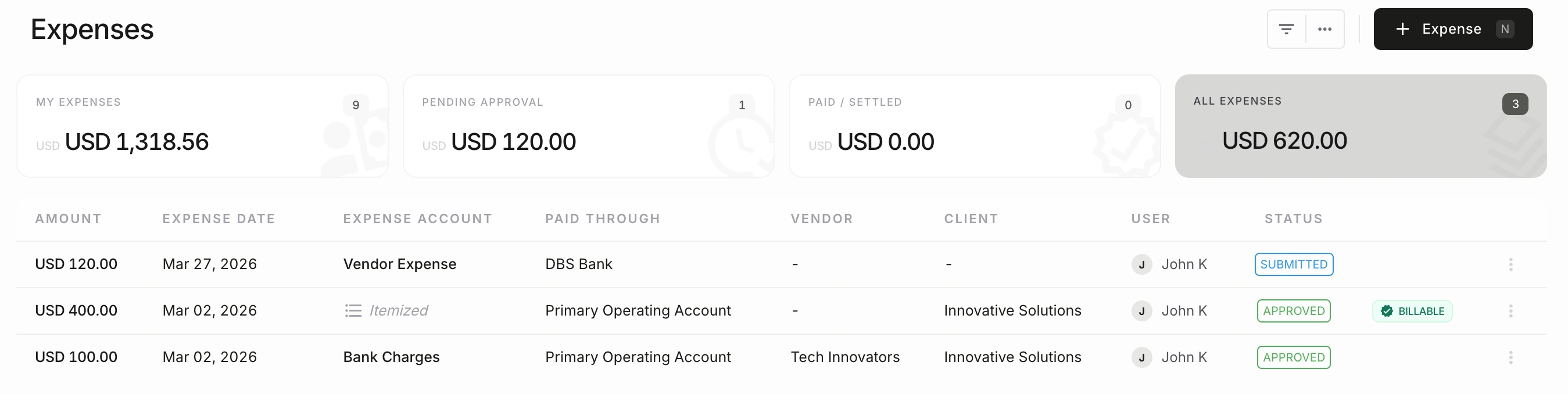
NewLedger expense list for venue bills and supplies
Rent, vendors, and supplies still land as bills and expenses
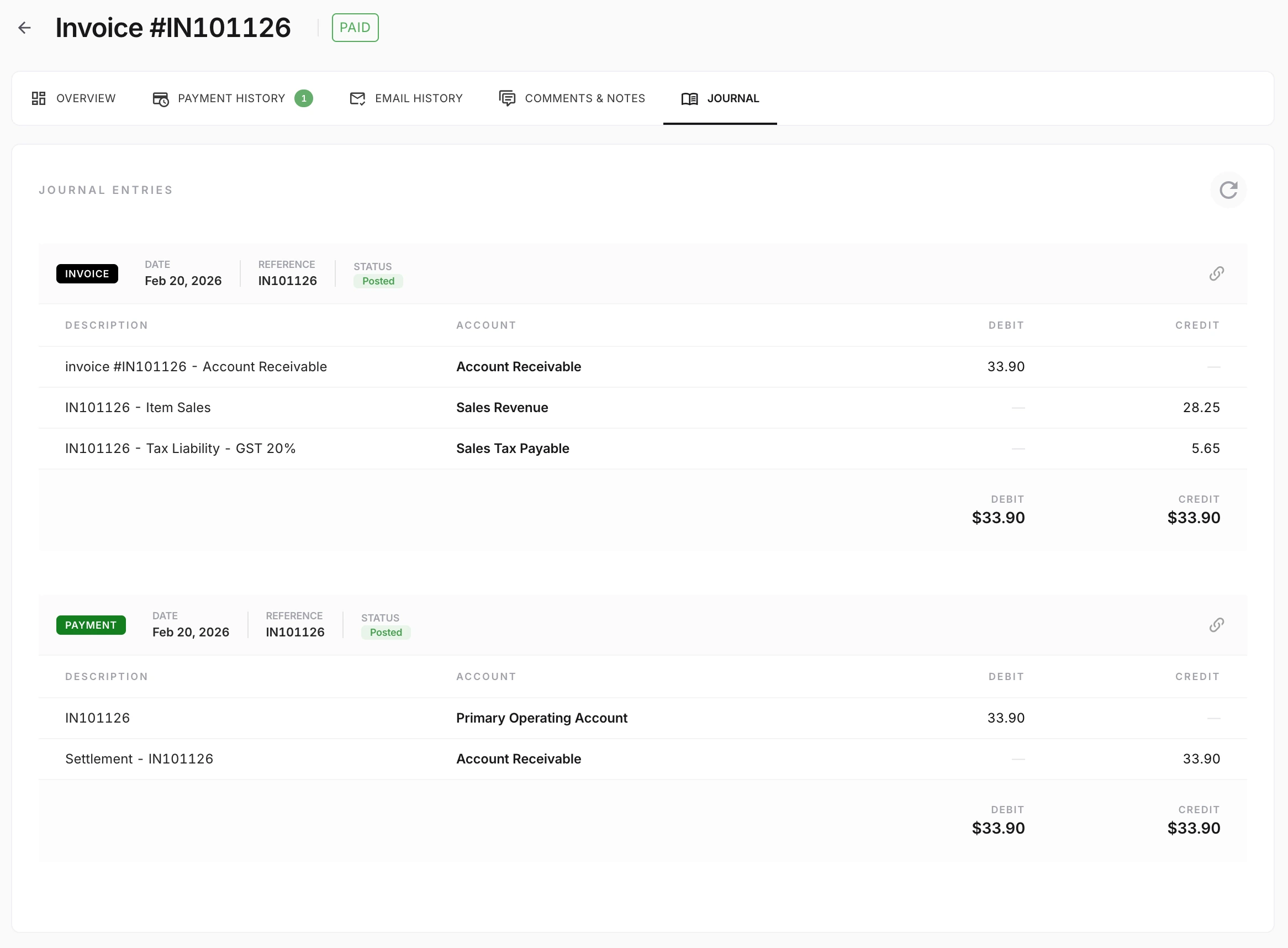
NewLedger invoice journal showing sales tax and receivable entries
Sales tax stays visible alongside the invoice’s ledger entries
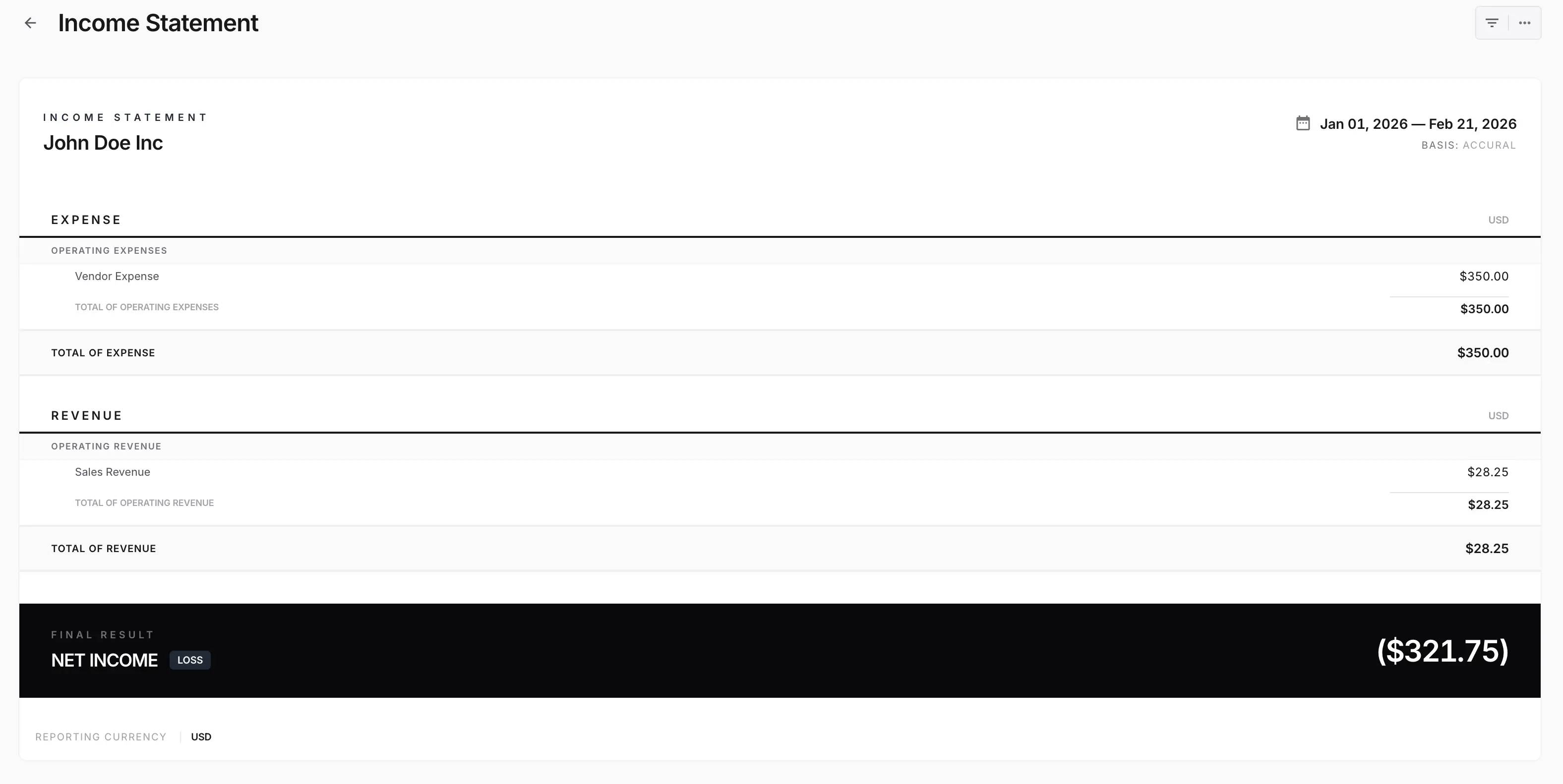
NewLedger profit and loss for a retail or hospitality brand
Location and brand P&L come from the ledger, not only the register
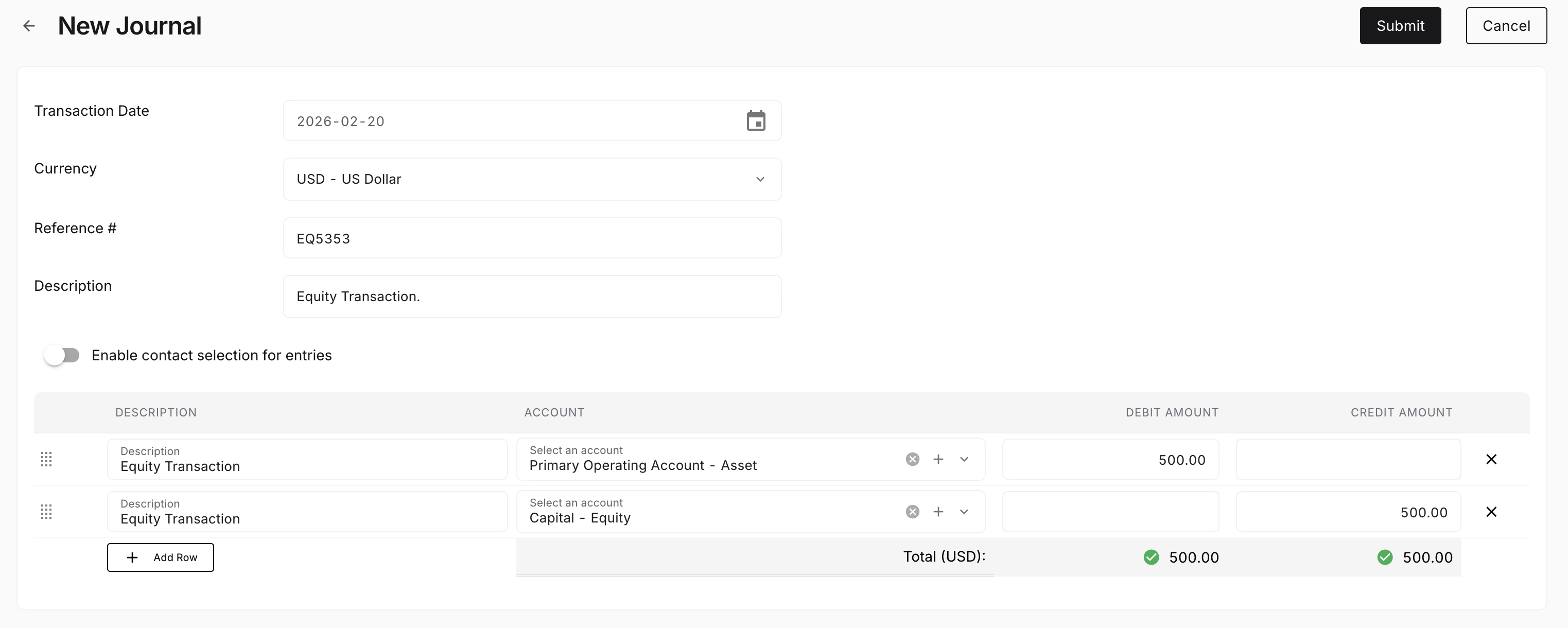
NewLedger journal form with balanced debit and credit entries
Review debit and credit entries before posting to the ledger
How the work moves

From Ticket to a Closed Brand Period

The POS runs the floor. The ledger runs posting, recon, and close.

  1. 01

    Post Location Sales to the Books

    Daily sales and tenders need to land on accounts you can explain. Connect where a connector exists, then confirm coverage.

  2. 02

    Reconcile Tenders and Deposits

    Match card batches and cash deposits to posted sales so the till and the ledger can be explained together.

  3. 03

    Report Location and Brand from Those Records

    Close from the books just reviewed. Tips, shifts, and payroll stay in the workforce products that already run them.

A structure decision

When a Location Is a Location, and When It Is an Entity

Most operators need location reporting on one company ledger. Separate legal entities are a different operating model.

One company, several sites

Code the Location, Close the Brand

Two cafés or two stores of the same company still close one set of books. Location tags or dimensions let you inspect site P&L from those records. That is not multi-entity accounting.

Each site is a company

Separate Ledgers, Then a Group View

If each location is its own legal entity, that is a finance-team model: separate books, then a group view of those records. Statutory consolidation should be confirmed — it is not a POS setting.

What the ledger holds

Invoices, Bills, Recon, and Reports

The accounting work is the same as any other operator. The outcome is a financial layer finance can close while POS and payroll keep running the floor.

Reports from the Books

Location and brand results should come from records you can review — not only from a POS dashboard.

Financial reporting

Reconcile Tenders and Deposits

Match card batches and cash deposits to posted sales so the till and the ledger can be explained together.

Bank reconciliation

Bills, Expenses, and Invoices

Vendors, rent, and B2B invoices still live in the same AP and AR tools used elsewhere in NewLedger.

Expense tracking

Entities When Locations Are Companies

If each site is a legal entity, that is multi-entity accounting — not a POS setting.

Multi-entity accounting

Review Refunds and Comps That Matter

Route material adjustments, journals, and bills to an owner before they close into the period.

Approvals and audit controls

Connect Where a Connector Exists

POS and payments connectors are listed on the integrations page. Confirm what you actually need before you depend on a sync.

Accounting software integrations
What stays adjacent

The POS Is Not the Ledger

NewLedger is the books across stores or venues. Tickets, tips, labor, and stock belong to the products that already run the floor.

The books

NewLedger

Sales postings, bills, reconciliation, review, and location or brand reports from those records.

This page.

Adjacent

POS and Payments

Square, Toast, Lightspeed, Clover, and similar tools take the ticket and the tender.

Connect where a connector exists; confirm for your stack.

Adjacent

Payroll and Scheduling

Tips, shifts, and labor cost live in workforce and payroll products.

Not allocated from NewLedger.

Adjacent

Inventory and Recipe Cost

Stock and COGS engines stay next to accounting. Post the journals the books need.

NewLedger remains the financial record.

Is this the right door?

For Stores and Venues

Use NewLedger as the reviewed financial layer across stores or venues — bringing sales summaries, supplier bills, deposits, expenses, and location reporting onto books finance can close.

For accounting firms managing client books, multi-entity finance teams, or software platforms requiring embedded accounting, explore the corresponding NewLedger or Paprel route.

Start at accounting firms, finance teams, e-commerce, or Paprel.

You run one or more locations and still need closable company books

You want sales, bills, deposits, and location reporting on the same ledger

POS and payroll can stay adjacent

You will not expect tip allocation or shift labor from NewLedger

Next step

Start from a Ledger You Can Review

Create a workspace and keep invoices, bills, reconciliations, and reports on the same books. Confirm connectors, permissions, and rollout details for your stack.