
Cash is not MRR
Subscriptions vs cash
A Charge Is Not the Accounting Outcome
Billing events move cash. NewLedger keeps the resulting revenue, deferred balances, refunds, and review history connected to the books.
Stripe collects the cash. The books still have to show invoices, expenses, and reports finance can close — without treating a billing dashboard as the ledger.
14-day free trial · no credit card. Confirm connectors for your stack.
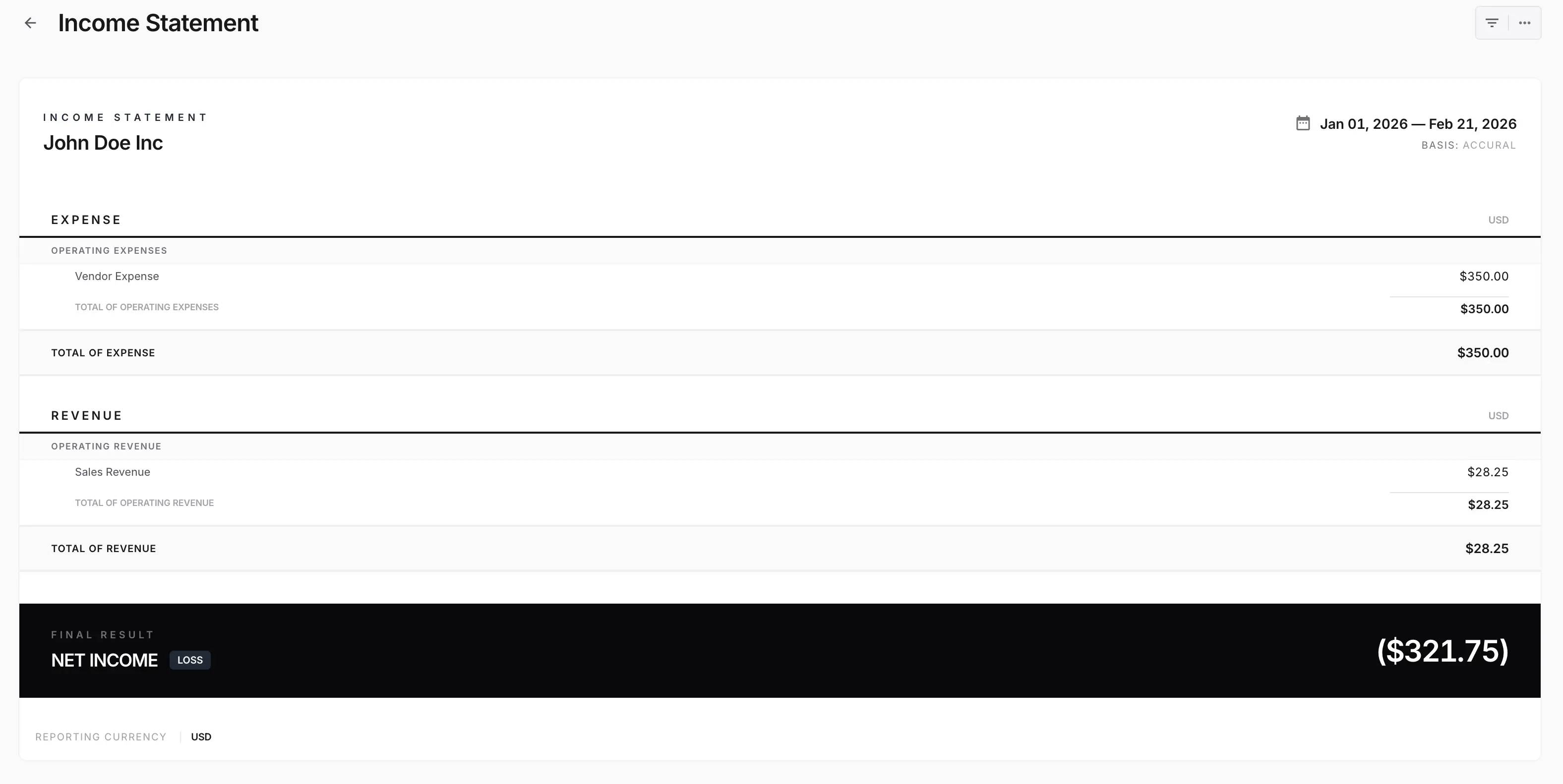

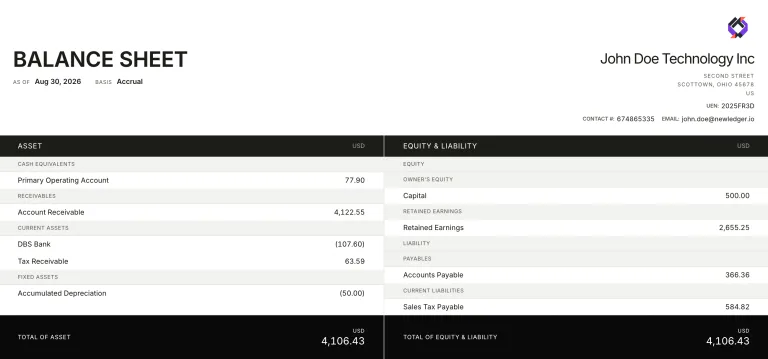
Recurring billing is how you collect. Accounting software for SaaS still has to post invoices, bills, and cash so a reviewer can close. Deferred revenue and board packs are policy and process — not an automatic metrics engine.
Subscriptions vs cash
Billing events move cash. NewLedger keeps the resulting revenue, deferred balances, refunds, and review history connected to the books.
Billing stays adjacent
Connect where a connector exists, then confirm coverage. The billing product remains the subscription system of record for plans and dunning.
Board packs vs books
Investor reporting can trace back to reviewed accounting records, with P&L, balance sheet, and cash flow produced from the books you just closed.
The billing engine keeps plans and dunning. These are the records a controller actually reviews before a close or a board pack.
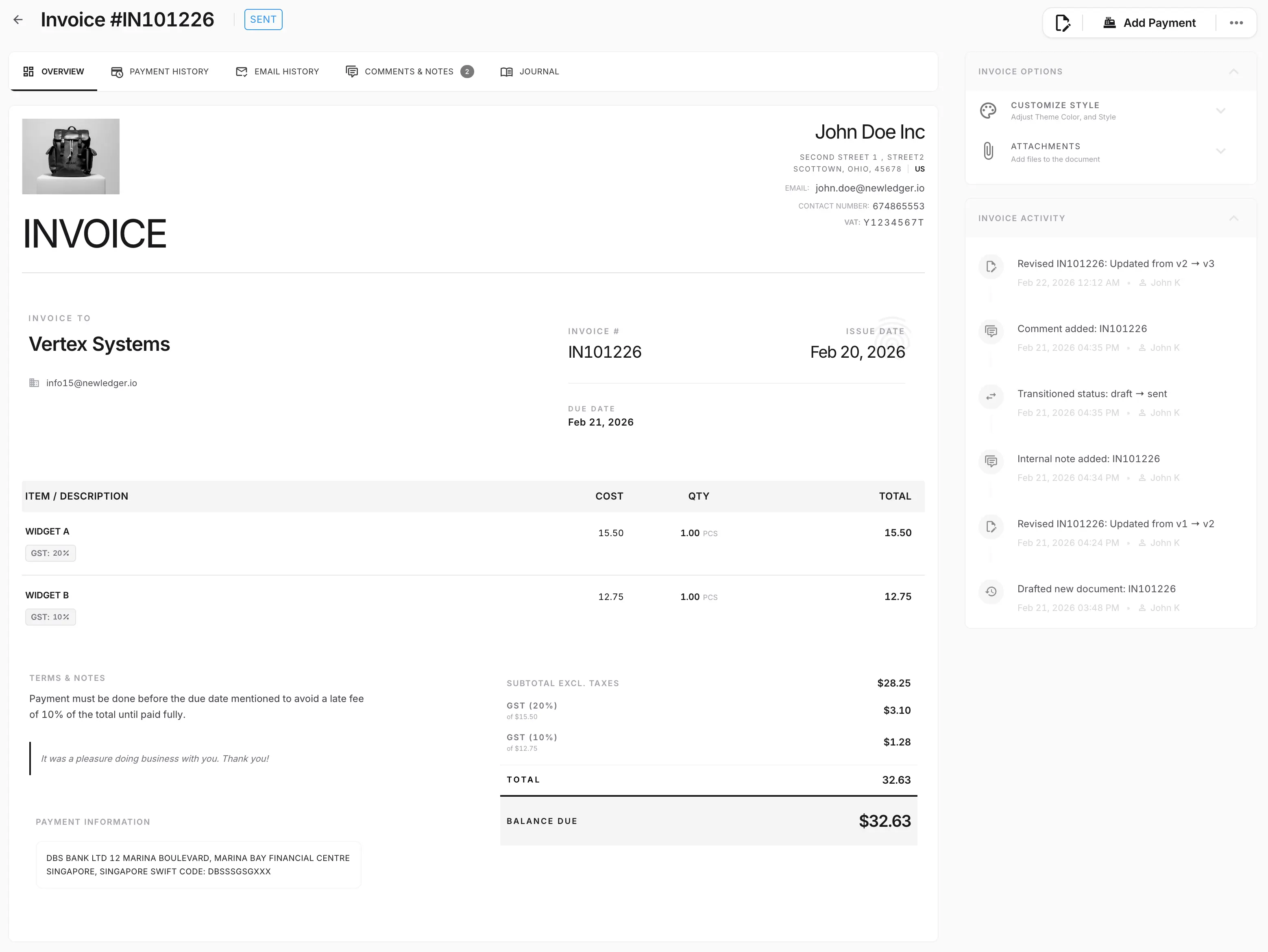
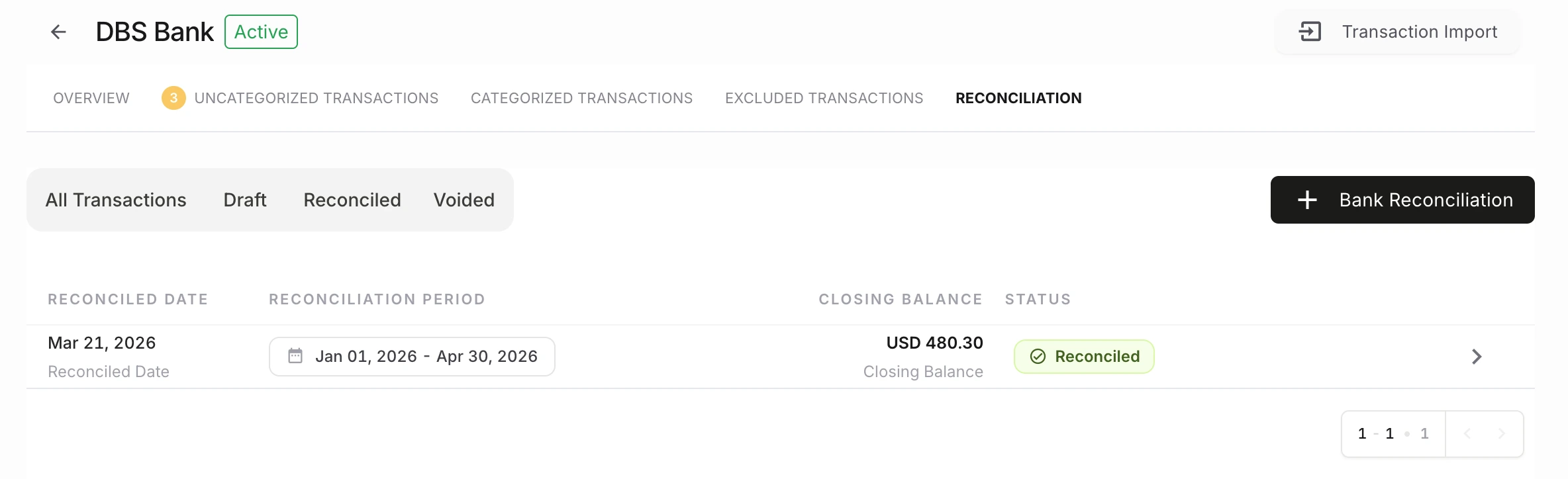
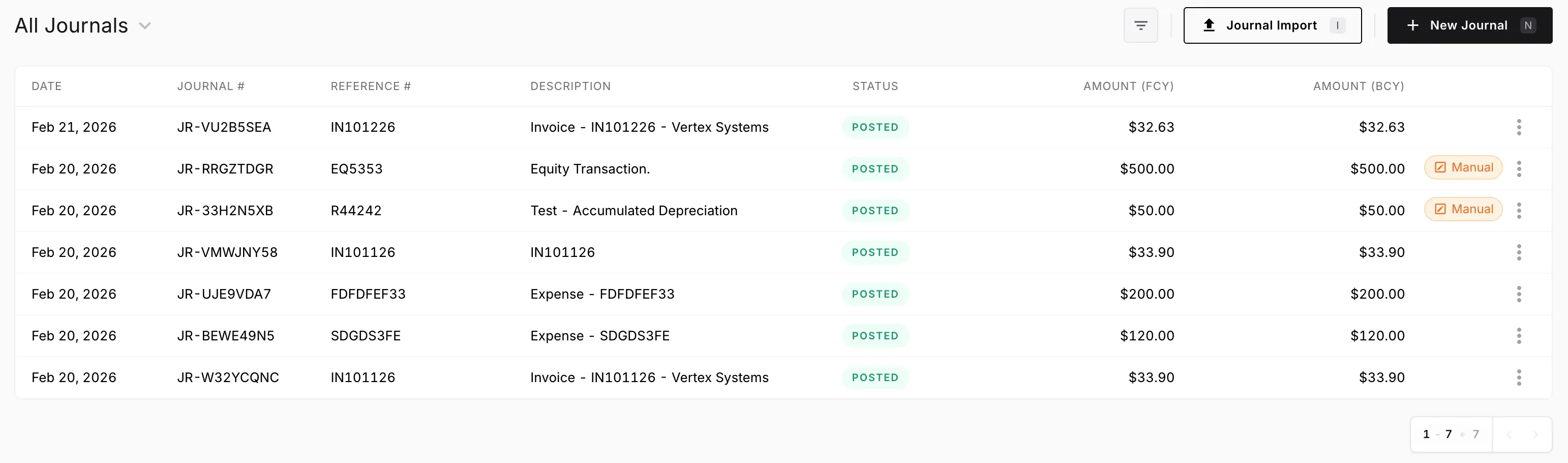
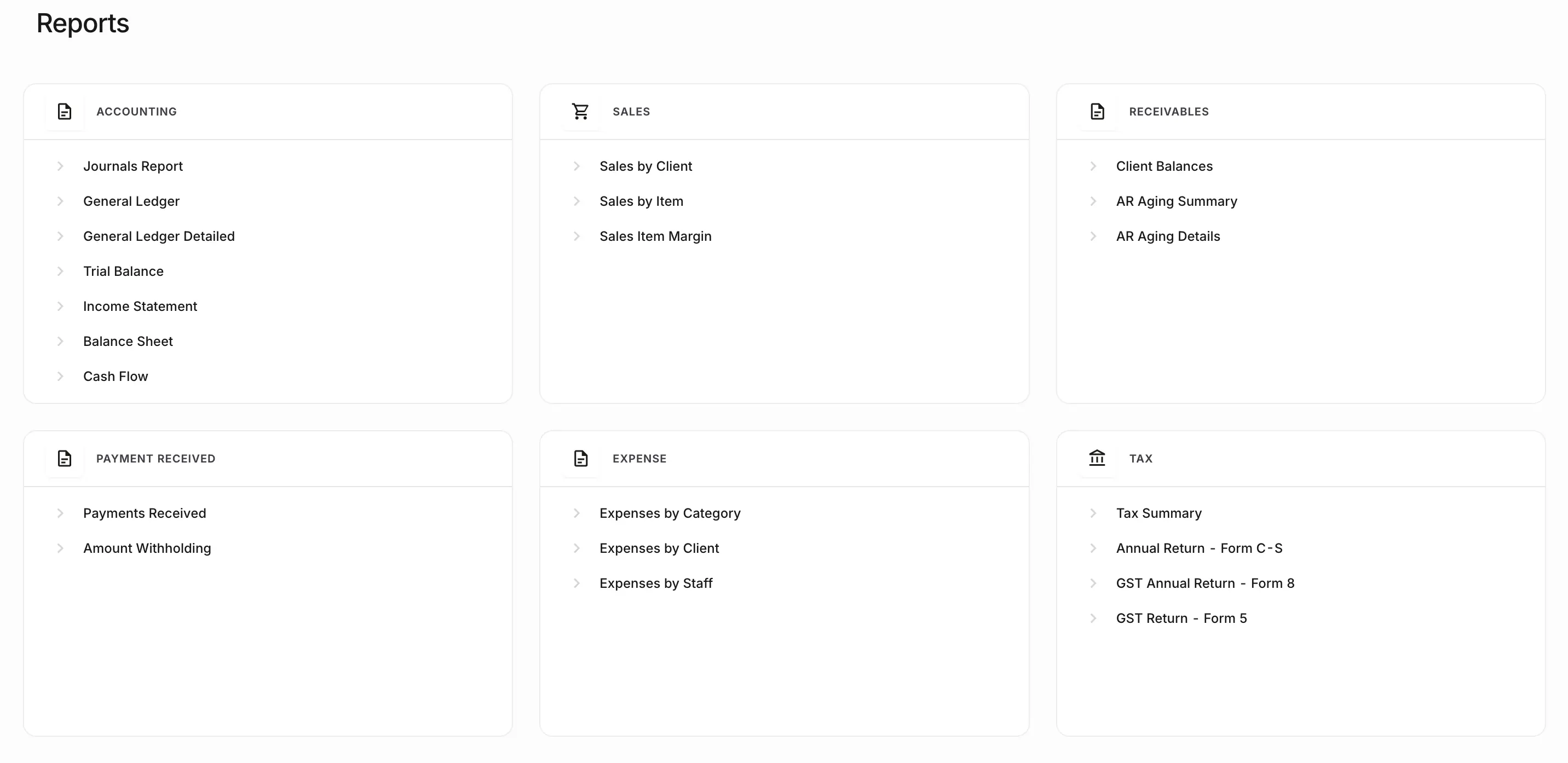
SaaS close is cash plus judgement. The billing product collects; the ledger holds what finance can stand behind.
Plans, dunning, and charges stay in Stripe or the billing engine you already run. Connect where a connector exists.
The charge is not the accounting outcome. Revenue treatment, refunds, and expenses still need to be posted and reviewed.
Board numbers should come from those records. Burn, runway, and cohort metrics stay in the tools you already use for that.
The billing engine collects. The ledger still has to hold the invoice, the cash, and any reversal a reviewer can inspect.
The customer is billed on the plan. Dunning, retries, and card updates stay in the billing product.
The charge is not the accounting outcome. An invoice (or equivalent posting) and the cash receipt still need to land on accounts you can explain.
A refund or chargeback is an adjustment on the same books — often a credit note — not a deleted Stripe event.
Annual prepay, remaining performance, and ASC 606 / IFRS 15 treatment remain accounting judgements applied to those records.
The accounting work is the same as any other company. The operating model is subscriptions instead of a SaaS metrics suite.
Keep billed work and adjustments on the ledger, including credit notes when you reverse or refund.
Online invoicingMatch payouts and fees to posted activity so cash and the P&L can be explained together.
Bank reconciliationProduce statements from the records just reviewed. Burn, runway, and cohort metrics stay in the tools you already use for that.
Financial reportingA parent and a subsidiary keep separate ledgers. That is a finance-team operating model, not automatic consolidation.
Multi-entity accountingRoute material journals, bills, and access changes to an owner with a history you can follow.
Approvals and audit controlsPayments and billing connectors are listed on the integrations page. Confirm what you actually need before you depend on a sync.
Accounting software integrationsNewLedger keeps the books. Plans, dunning, usage, and investor metrics belong to the products that already do that work.
Invoices, bills, journals, reconciliation, review, and company reports for the subscription business.
This page.
Stripe, Chargebee, Recurly, and similar tools collect subscription cash and manage plans.
Connect where a connector exists; confirm for your stack.
MRR, ARR, cohort, and board-pack products sit on top of, or beside, the books.
NewLedger remains the accounting record beneath those tools.
A parent and a subsidiary can keep separate ledgers, and NewLedger can show a group view of those records. Statutory consolidation, intercompany eliminations, and pack-to-group reporting should be confirmed for your organisation.
Do not treat this page as a consolidation suite. Finance teams start at the finance-teams hub.
Use this page when the company collects recurring cash and still needs closable books.
For accounting firms managing client books, multi-entity finance teams, or software platforms requiring embedded accounting, explore the corresponding NewLedger or Paprel route.
Start at accounting firms, finance teams, growing businesses, or Paprel.
You collect recurring cash and still need closable company books
Billing and payments can stay adjacent
You will post and review revenue treatment rather than expect it to appear automatically
You want invoices, recon, and reports in one accounting system
Create a workspace and keep invoices, bills, reconciliations, and reports on the same books. Confirm connectors, permissions, and rollout details for your stack.