
01
Core financial statements
Review P&L, balance sheet, trial balance, receivables, payables, and ledger detail from one accounting core.
P&L, balance sheet, and cash flow come from the invoices, journals, and matches already reviewed—not from a parallel spreadsheet of the same company.
Connected to the ledger
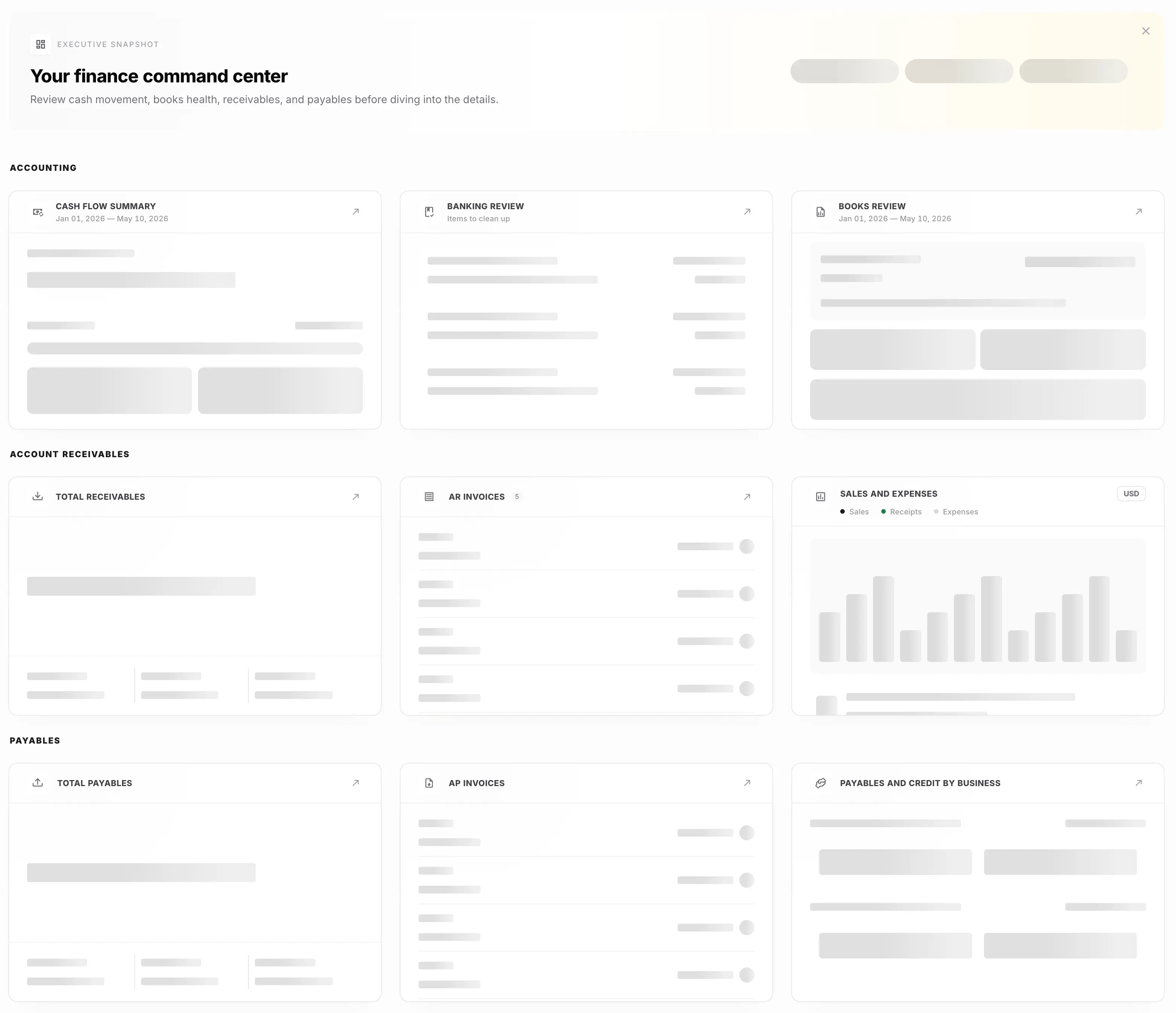
The feature matters because it remains part of the accounting record—not because it creates another isolated task.
Review P&L, balance sheet, trial balance, receivables, payables, and ledger detail from one accounting core.
Understand performance by customer, account, entity, project, category, or period without spreadsheet detours.
Connect reports back to records, journals, and workflow history so numbers are easier to trust.
See the workflow, review controls, and accounting outcome in one connected system.
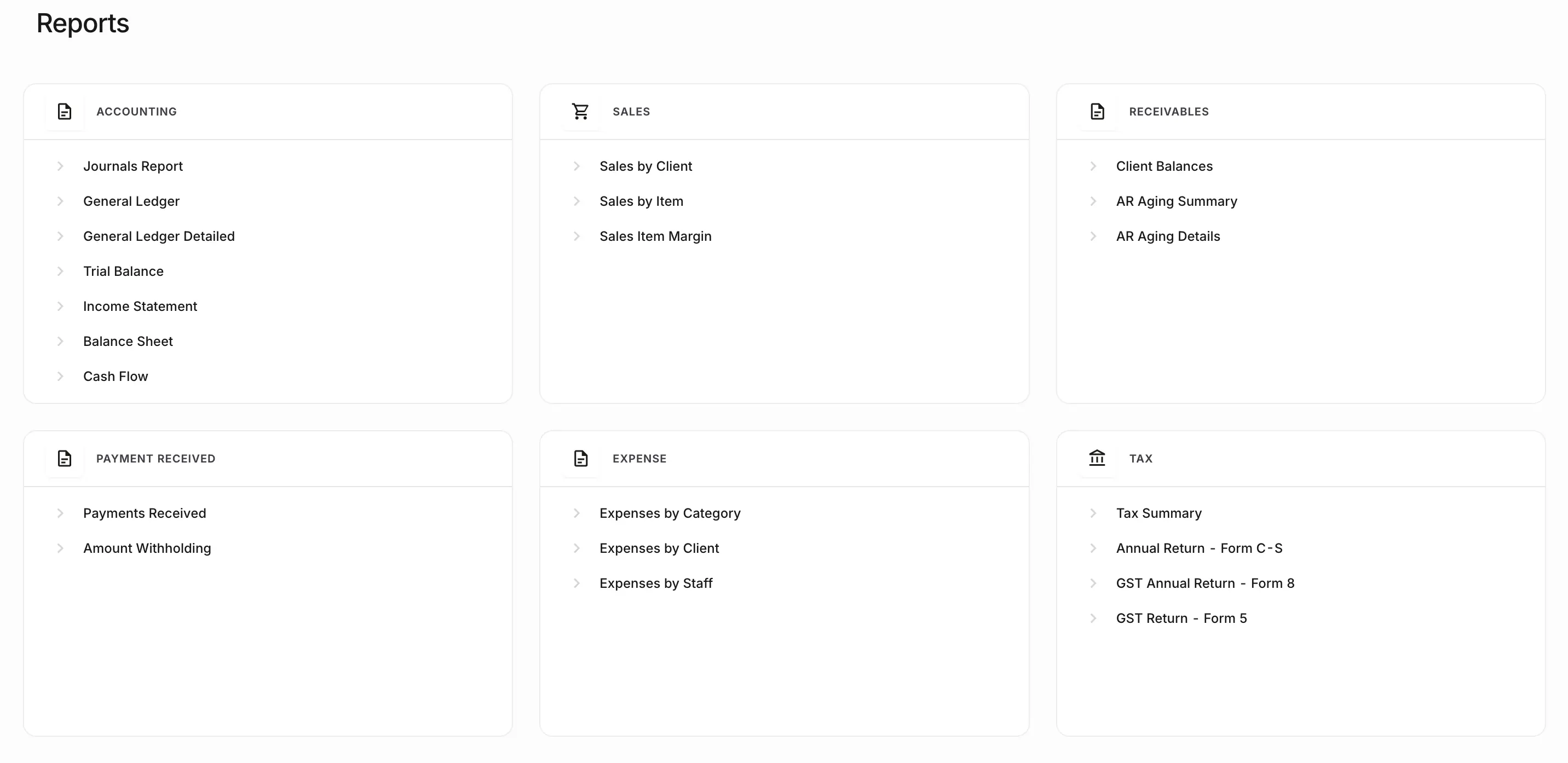
Finance teams need a reporting surface that makes the available views obvious at a glance. NewLedger keeps the broader report catalog visible so users can move from overview into the exact report they need.
Leadership reporting becomes easier to trust when the dashboard still feels connected to invoices, expenses, journals, and the workflow that produced the number.
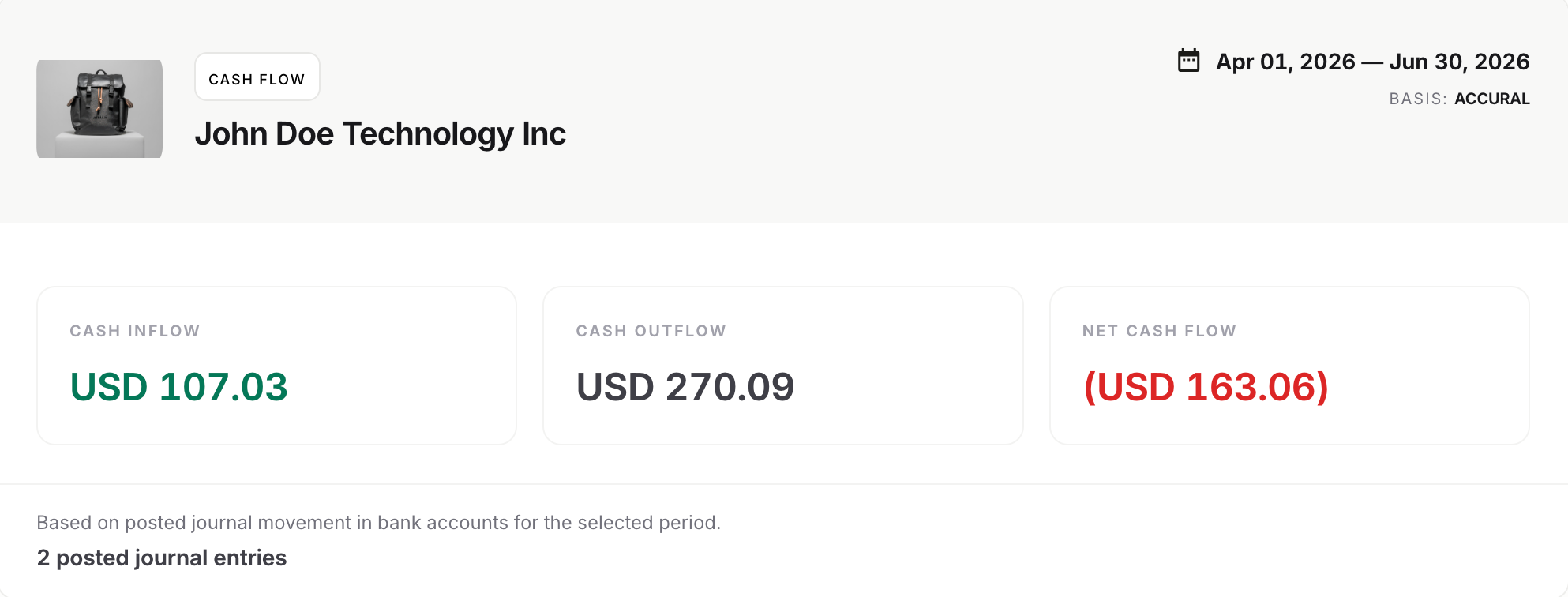
Finance teams need more than revenue and balance snapshots. NewLedger helps keep cash flow readable in the same reporting layer so leadership can understand movement without leaving the accounting system.
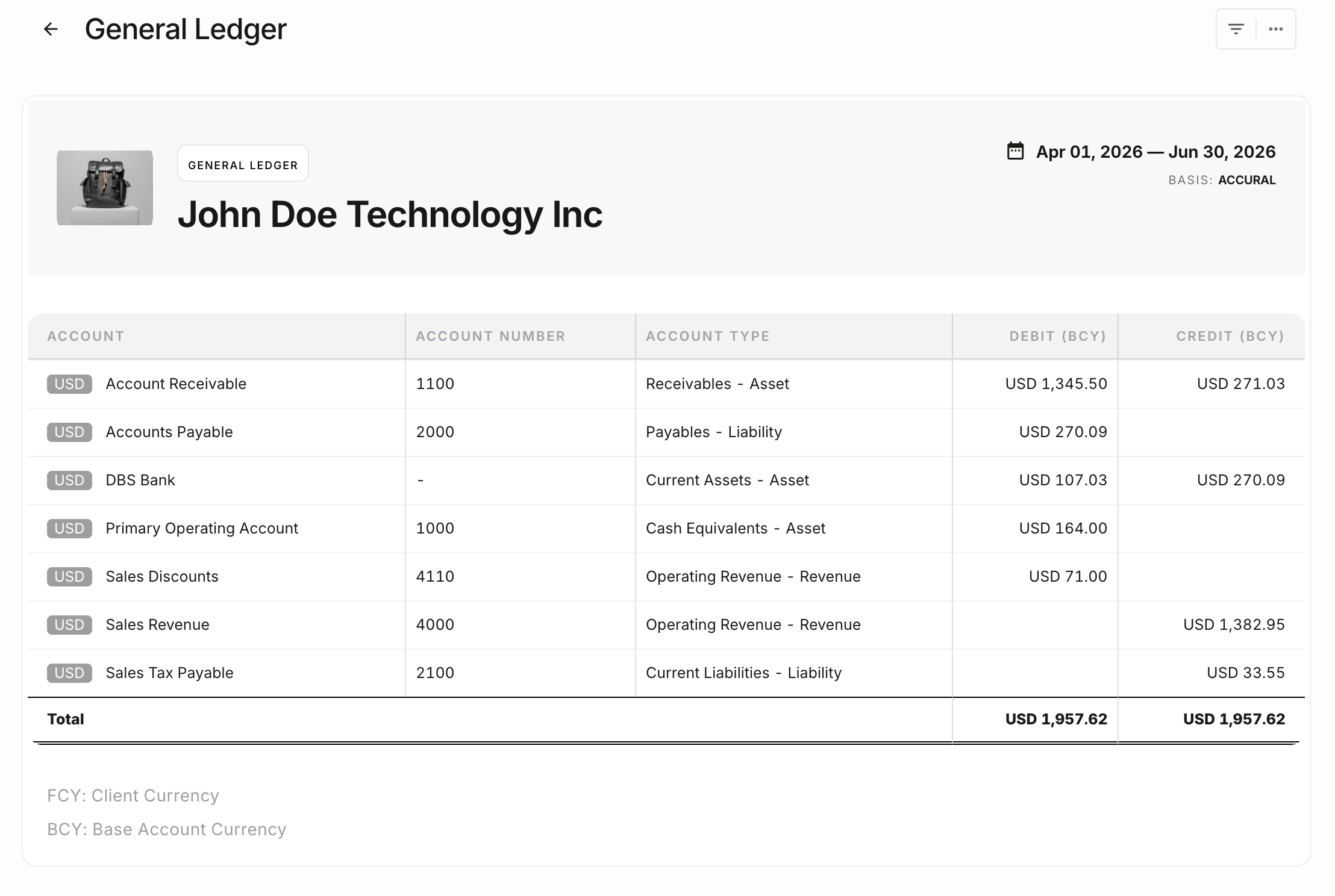
Strong reporting does not stop at summaries. NewLedger gives finance teams direct access to the general ledger so unusual balances, movements, and period questions can be investigated without rebuilding context elsewhere.
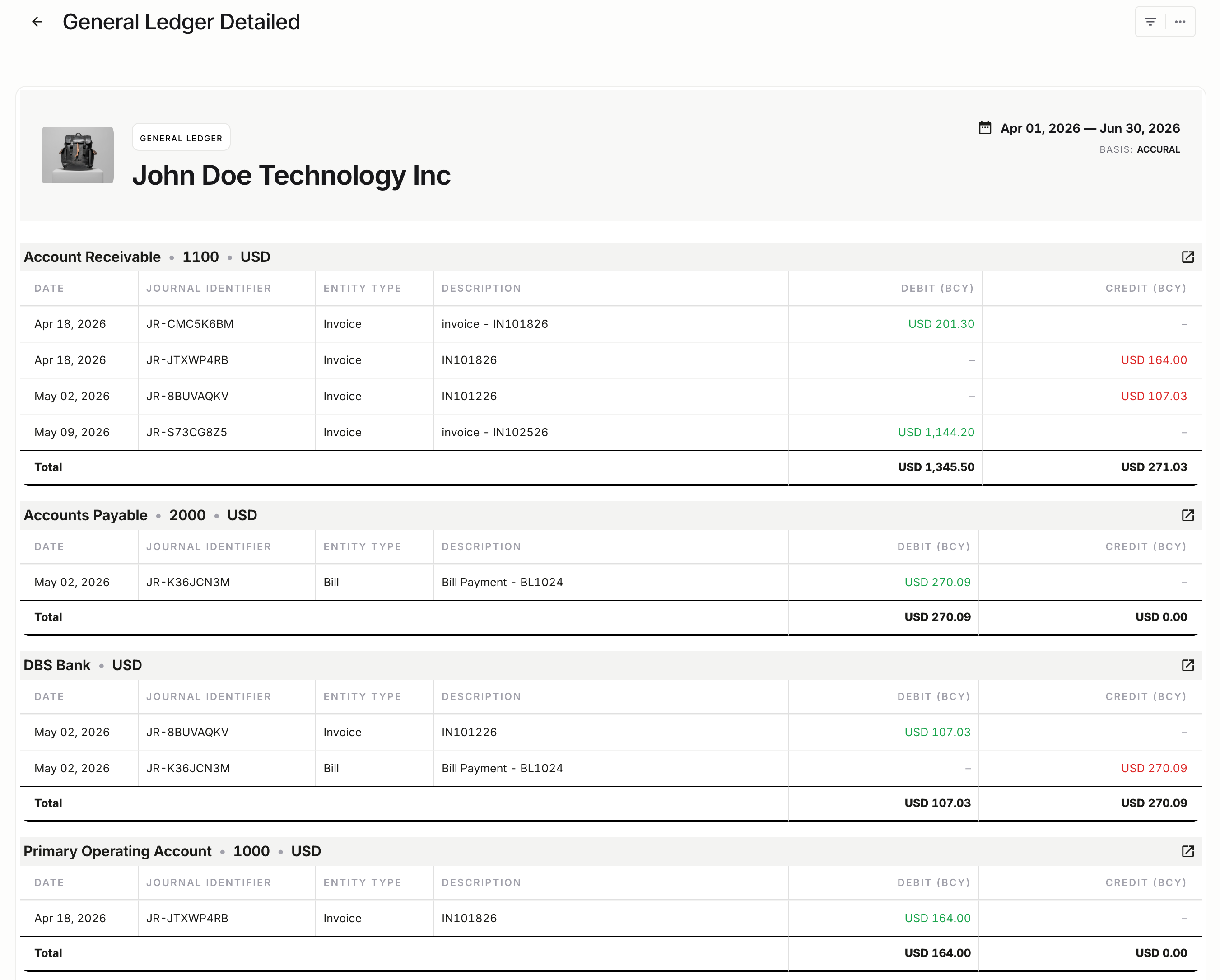
When a balance needs explanation, finance teams need line-level detail quickly. NewLedger keeps that supporting depth available so review and follow-up stay inside the reporting workflow.
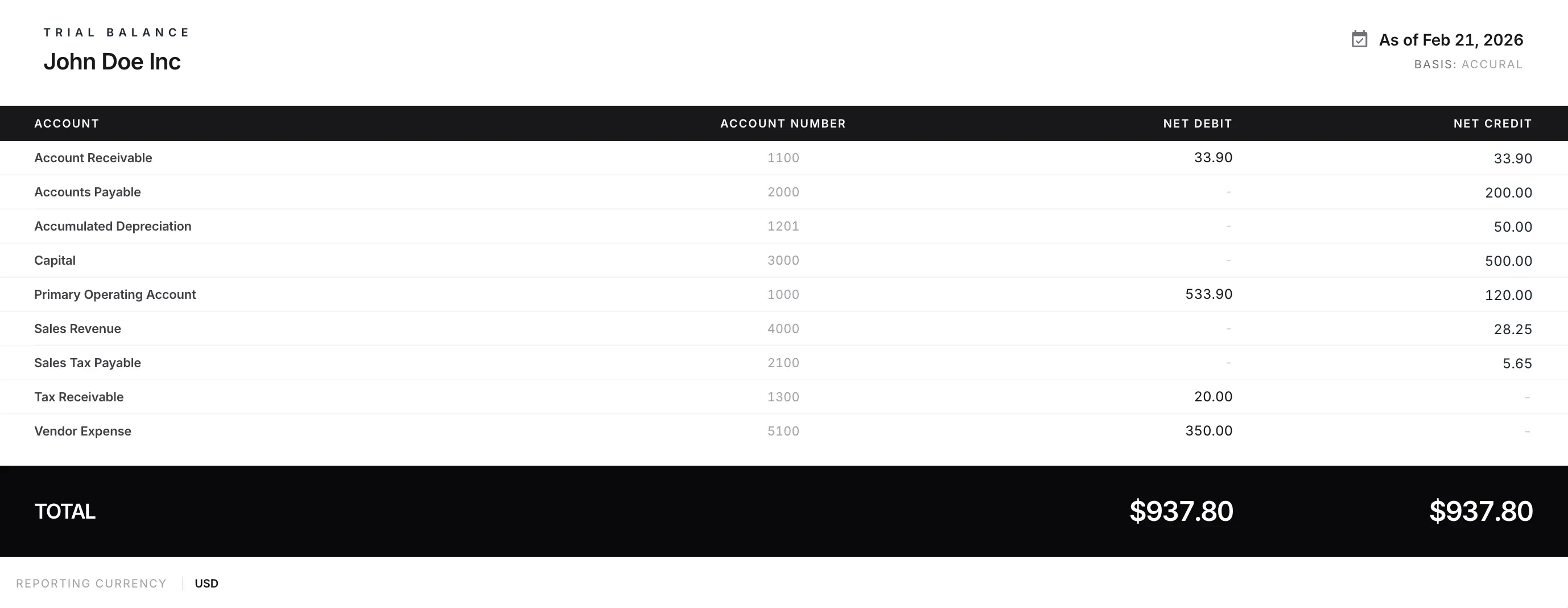
Strong reporting is not only about executive dashboards. NewLedger also gives finance teams direct access to trial-balance detail so close review, investigation, and supporting analysis stay inside the accounting system.
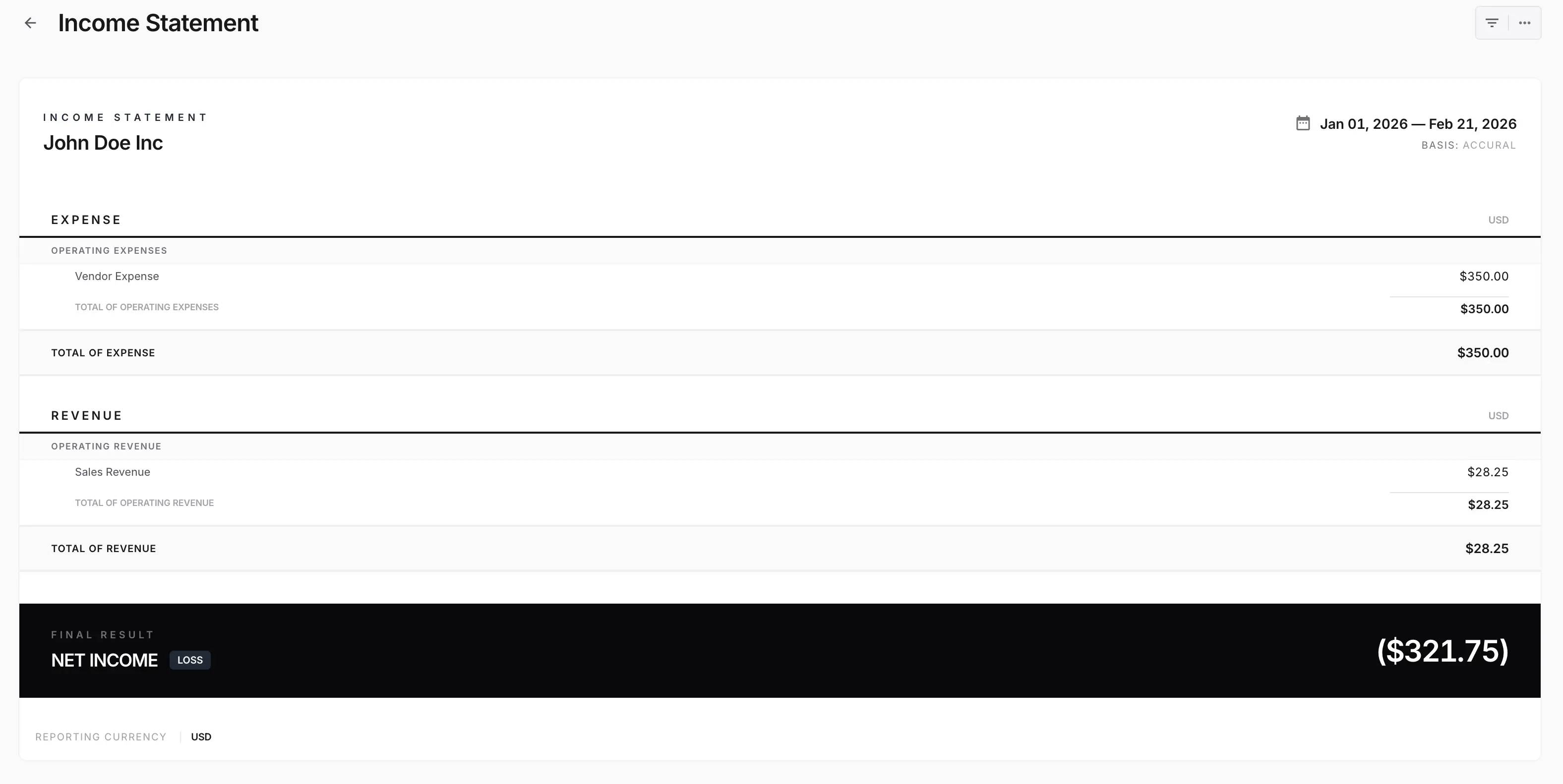
Core statements matter most when they stay connected to the accounting workflow that produced them. NewLedger helps teams review performance and position without turning reporting into a separate system.
NewLedger gives teams one reporting workspace for journals, ledger review, statements, receivables, sales, expenses, tax, and regulatory reporting without pushing the workflow back into spreadsheets.
The workflow should hold up under review, stay connected to the record, and reduce cleanup when finance needs answers quickly.
Cash flow and statement visibility
Trial balance and general ledger depth
Reporting tied back to accounting records
Financial reporting should explain the books already reviewed. Planning, presentation, and operational analytics may sit beside it; they do not replace the accounting record.
Comes from the books
Revenue and costs come from posted invoices, bills, expenses, and journals.
Assets, liabilities, and equity reflect the same reviewed records.
Cash movements remain traceable to reconciled activity and account detail.
Stays adjacent
Budgets and scenarios interpret the ledger; they do not become the historical books.
Presentation tools can package results after the underlying statements are ready.
Product and sales metrics add context without replacing financial statements.
NewLedger fits when the team wants core statements produced from the same records it reconciles, reviews, and closes.
Talk to salesMulti-entity groups needing portfolio operations should start with finance teams. Accounting firms managing separate client books should start with accounting firms. This page does not position NewLedger as a statutory consolidation or planning suite.
P&L, balance sheet, and cash flow must follow reviewed records
Open exceptions should remain visible before the period is treated as complete
Reviewers need access to the account and journal detail underneath
The requirement is accounting reporting—not a standalone BI or board-pack tool
Evaluate fit before rollout by checking how the workflow connects to records, controls, and reporting.
It is software that produces statements from the accounting records already reviewed: typically profit and loss, balance sheet, and cash flow. In NewLedger those reports come from the same company ledger as invoicing and reconciliation.
Product information reviewed 2 September 2026. Confirm connector availability and rollout requirements for your organisation.
Use billing workflows that naturally feed customer balances and cash visibility.
Reduce the gap between transaction review and the numbers leadership sees.
Support more complex structures without pushing consolidation logic back into spreadsheets.
Start with the capability you need now, keep its accounting impact visible, and add the rest of the workflow as your team grows.
Start with one workflowAdopt the capability your team needs first.
Keep the accounting contextReview its effect on the books in the same system.
Expand without rebuildingAdd controls and workflows as the operation grows.