
Per entity
Many calendars
Deadlines are not one company close
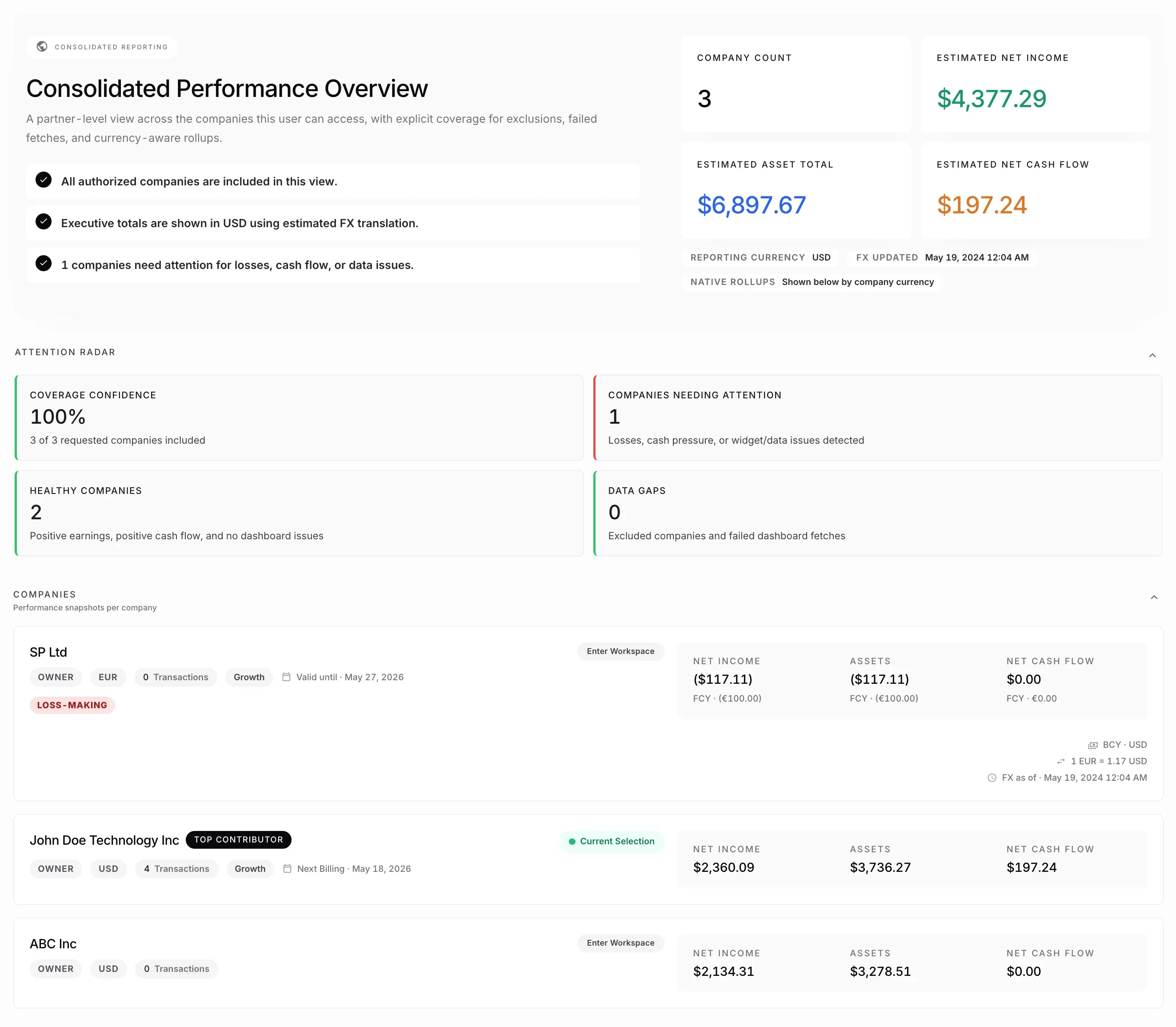
A group coordinates several reporting dates, owners, and exception lists at once. Status has to be comparable without combining the books.
Coordinate reconciliation, review, approval, period control, and reporting across separate entity books—without a parallel close-status spreadsheet.
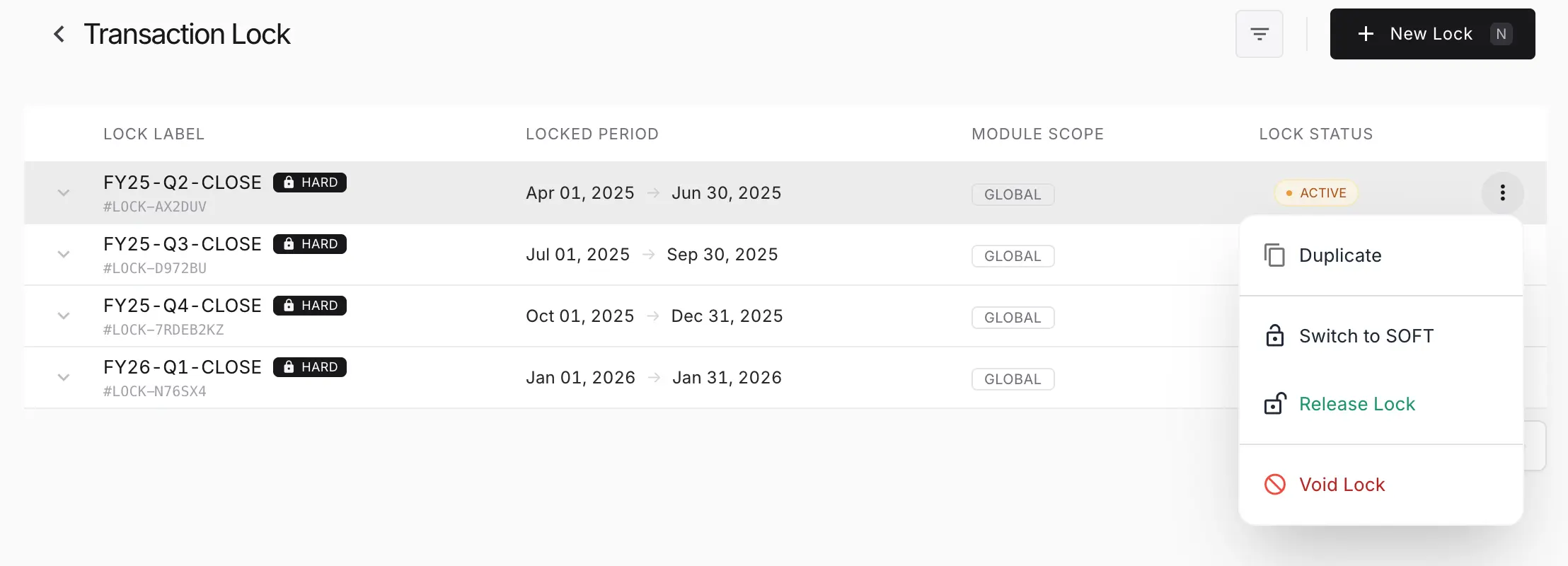
The accounting steps are familiar. The group problem is running them across many entities at once: who is ready, what is blocked, and which book can be locked without mixing another subsidiary’s records.
Many calendars
A group coordinates several reporting dates, owners, and exception lists at once. Status has to be comparable without combining the books.
Review load
Journals, bills, and unreconciled items should reach the responsible reviewer with the accounting outcome attached to the work.
Period control
Period close and reporting stay inside each organisation. A lock on one subsidiary does not freeze another entity’s books.
Standardisation makes status comparable across the group. It does not collapse entity context or remove professional judgement.
Collect missing records and identify unreconciled activity for that organisation before review starts.
Route exceptions, journals, bills, and other items that change the close to the person accountable for them.
Close the agreed period for that entity and produce financial reports from the books the team just approved, then move to the next subsidiary.
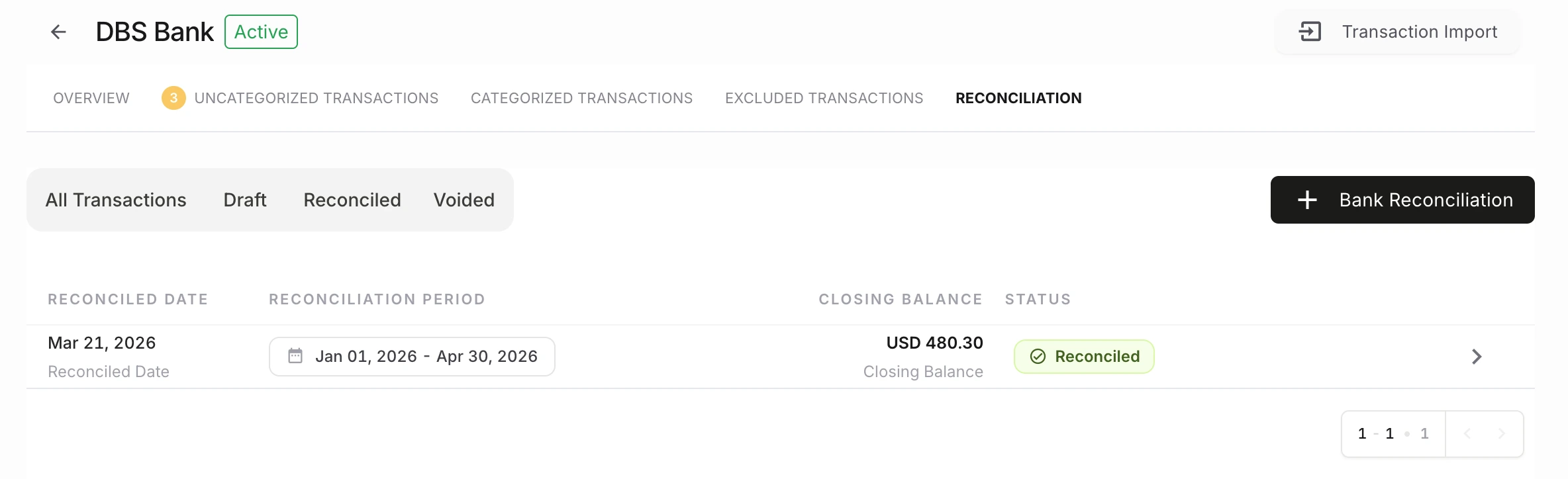
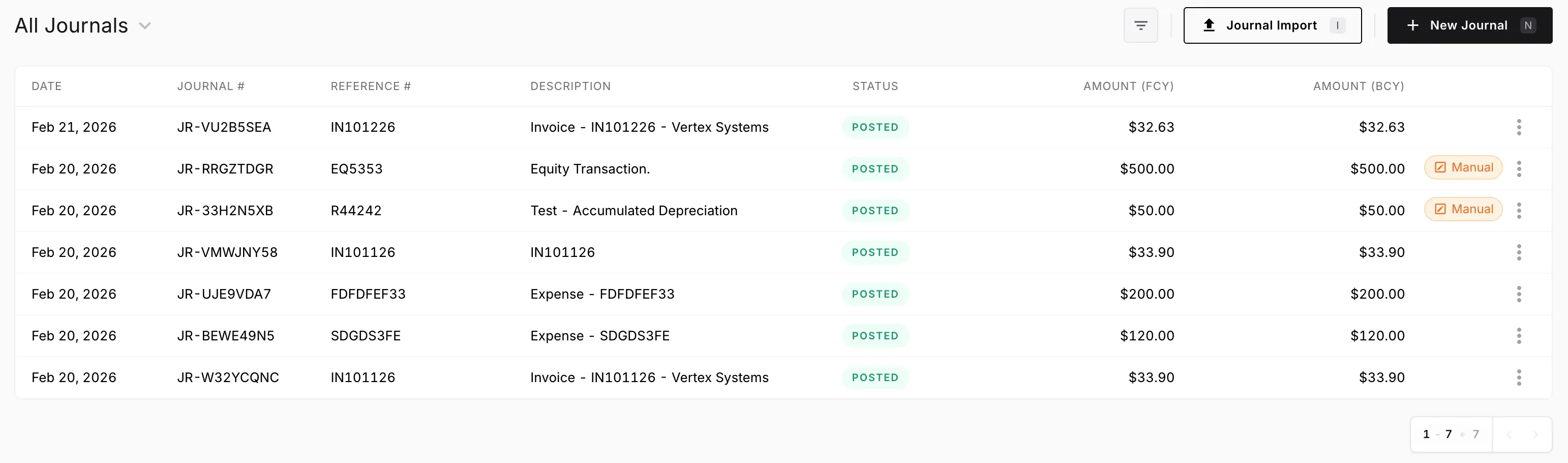
Controllers should not reconstruct close status from chat threads. The useful view is which books are ready, blocked, or waiting on review.
The entity book has cleared the agreed review path and can be locked.
Missing records, unresolved exceptions, or an open approval is holding the close.
Preparation is done; the item still needs the responsible reviewer.
Rules, integrations, APIs, and MCP-based workflows can prepare work inside NewLedger. Reviews, approvals, access controls, and activity history remain the boundary around that automation.
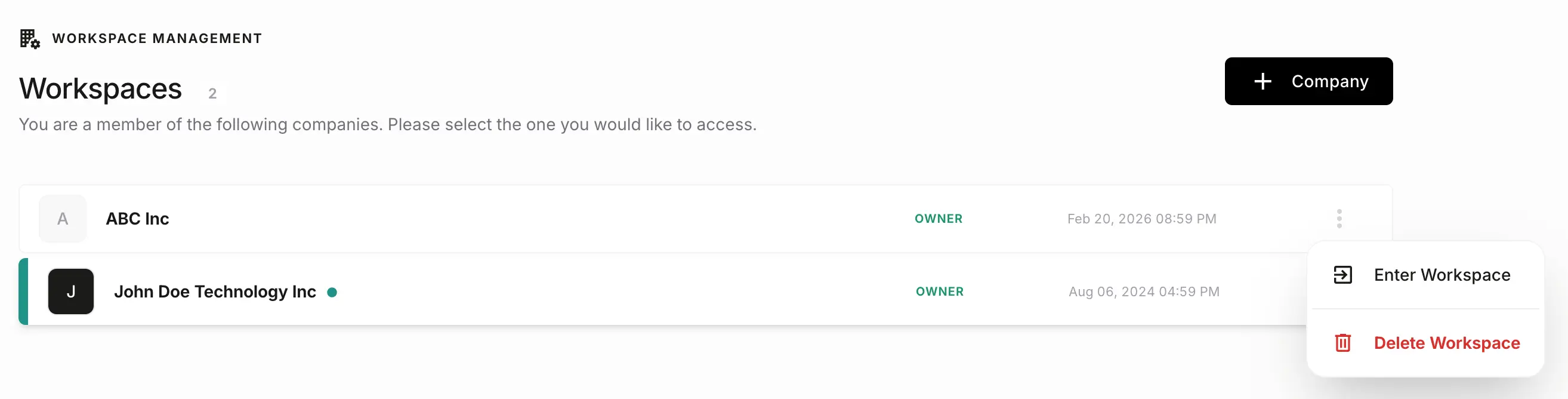
Month-end only holds if each close happens inside a distinct entity ledger.
Software for multiple entitiesUnmatched activity stays in the same book the rest of the close is waiting on.
Bank reconciliationReview and approval remain human responsibilities, with a history attached to the work.
Reviews and approvals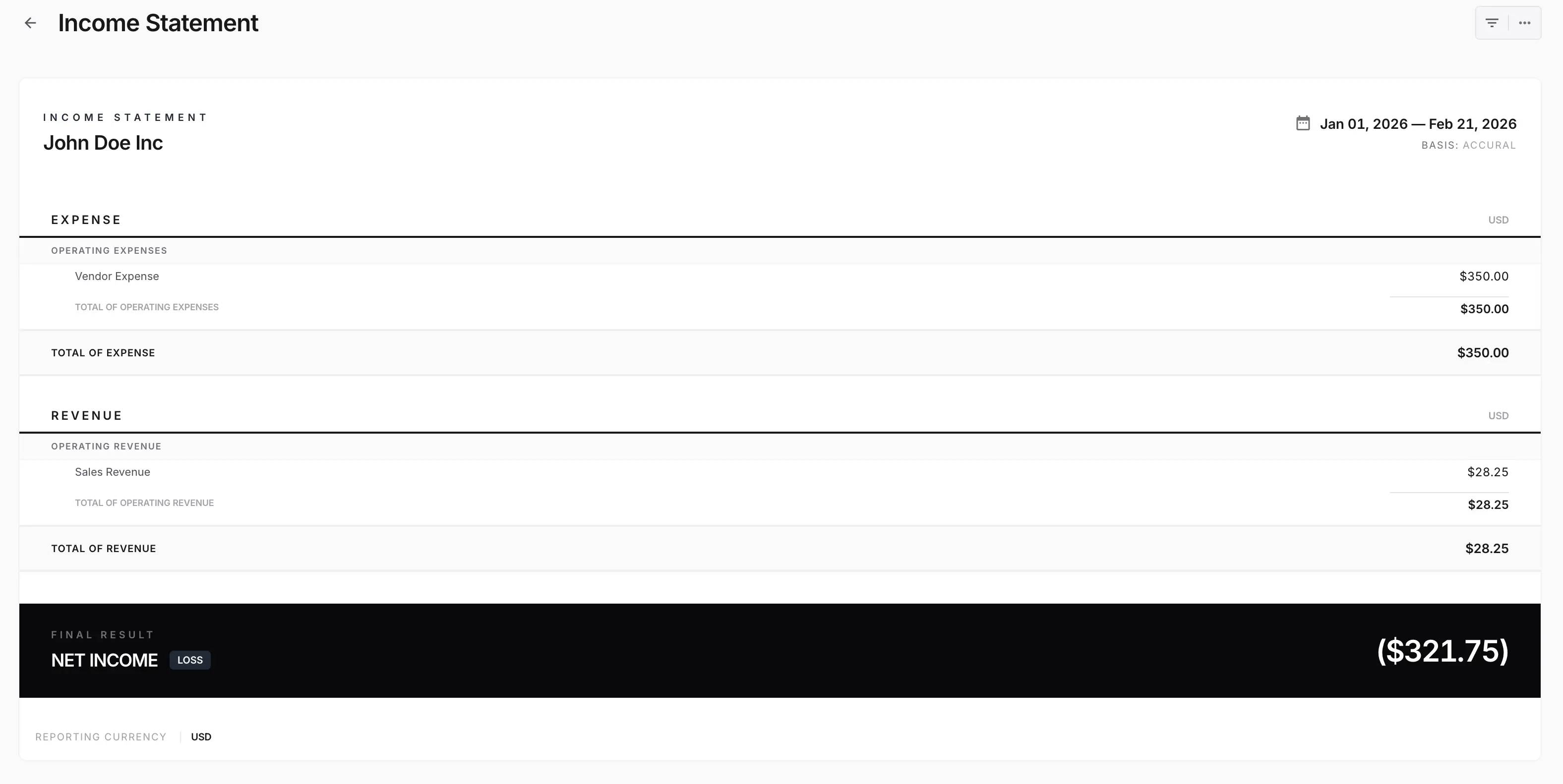
Statements are produced from the ledger the team just closed, not from a parallel spreadsheet.
Financial reportingNewLedger fits when month-end is how the team finishes work already kept in each entity ledger—not a separate tracker beside another product.
Discuss your close processFor the educational procedure, see the month-end close checklist.
The company closes several entity books on a repeating cycle
Controllers need to see which closes are ready, blocked, or waiting
Reviews and approvals should happen before period lock
Reports should come from the same records just reviewed
It is software that coordinates reconciliation, review, approval, period control, and reporting across separate entity books. The accounting steps resemble a single-company close; the operating problem is running that sequence across the group without losing ownership or mixing ledgers.
Firm close is a client portfolio. Finance-team close is the company’s own group. The sequence can look similar; the books belong to different operators. Practices should use the accounting firms close page.
No. NewLedger can support rules, integrations, API access, and MCP-based workflows for routine work. Accountable people retain review and approval responsibility, with activity history around those actions.
Yes. Entity books remain separate, so reporting calendars and operating details can be defined for each organisation.
No. The checklist is educational procedure. This page is the commercial category: software for running that rhythm across a group’s entity books.
Product information reviewed 1 September 2026. Confirm connector availability and rollout requirements for your organisation.
Run preparation, review, lock, and reporting on a few books first. Expand once owners and exceptions are visible without a side spreadsheet.